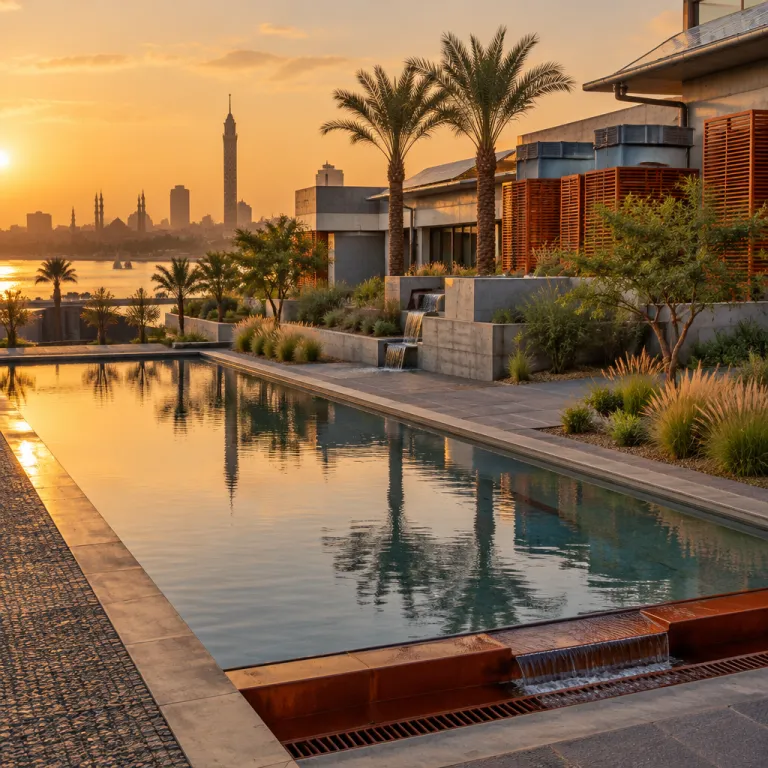
Why water defines sustainability for luxury hotels in Cairo
Cairo is a desert city stretched along the Nile, where every litre of water matters. Yet the image that luxury hotels in Cairo Egypt sell is one of endless pools, lush gardens and marble bathrooms that signal abundance at a very high level. For a traveler choosing a hotel Cairo side for business and leisure, understanding how this abundance intersects with water stewardship in Cairo hotels is now part of responsible decision making.
The city depends almost entirely on the Nile, while climate change and upstream pressures raise questions about long term security for both residents and tourism. Egypt’s Ministry of Water Resources and Irrigation estimates that per capita water availability has fallen by more than half since the 1960s, and tourism growth adds further demand. When you book star hotels or a polished city hotel on the riverfront, you are stepping into that story whether you intend to or not. The question is not whether hotels Egypt should care about water conservation, but how each hotel will translate concern into measurable sustainable practices that go beyond marketing language.
Energy and water use in luxury hotels is often monitored, yet water itself remains the quiet resource that disappears into cooling towers, laundry rooms and irrigated lawns. International studies of hospitality operations suggest that a typical upscale property can use 300–800 litres of water per guest night, depending on climate and amenities, with hot, dry cities at the upper end of that range. In a region where natural rainfall is minimal and climate models predict more climate change stress, the measures that hotels adopt today will shape how comfortably the city can host tourism tomorrow.
For the business leisure traveler, this is not an abstract technical debate about adaptation or mitigation scenarios. It is about whether the hotel you choose in Cairo Egypt treats water as a limitless perk or as a shared asset that demands thoughtful change. The most sophisticated properties now frame water efficiency and Nile protection as a core part of their luxury promise, not an optional environmental add on for a niche guest segment.
From towel cards to real water conservation measures
Walk into almost any luxury hotel in Cairo and you will see the familiar linen card asking you to reuse towels for the sake of the environment. That gesture is fine, but on its own it barely touches the scale of water used by large hotels that operate pools, spas and extensive back of house laundry. Serious water sustainability work begins where the card ends, with technical systems and operational measures that change how the entire property uses water.
Look for evidence that a hotel has invested in greywater recycling, where lightly used water from showers and sinks is treated and reused for irrigation or flushing. In a desert city like Cairo, this kind of system can cut potable water demand significantly over the long term, especially in large city hotel complexes that host conferences and high occupancy events. Landscaping is another clear signal, because natural style planting with native species requires far less irrigation than imported lawns that fight the climate every day.
Some hotels Egypt properties now pair water conservation with broader sustainable practices, such as efficient fixtures, leak detection and integrated waste management that reduces pollution of the Nile. For example, several Green Key and Green Globe certified hotels along the Nile report double digit percentage reductions in water use per guest night over five year periods after retrofitting low flow showers and upgrading cooling systems. When a hotel talks about being environmentally friendly, ask whether they track both energy and water consumption and water quality impacts, not just electricity. Certifications can be a useful shorthand, but they only mean something when backed by transparent reporting and a culture that treats environmental performance as seriously as guest satisfaction scores.
Our earlier analysis of Green Key certified luxury in Cairo focused on broad sustainability frameworks rather than water specifically. This piece narrows the lens to water management in Cairo’s hotels, because in a desert city the resource that flows from the tap is the one that defines the future of tourism. As you compare luxury hotels along the Nile or in emerging districts like media city, pay attention to how clearly each property explains its water measures and whether those claims feel operational rather than ornamental.
Reading between the lines of hotel sustainability claims
Marketing language around climate and sustainability has become fluent, especially in the luxury hotels segment where guests expect a polished narrative. You will see phrases like environmentally friendly, sustainable practices and climate adaptation sprinkled across brochures for hotels Egypt wide, from a heritage city hotel on the Nile to a glass tower in media city. The challenge for a thoughtful traveler is to separate genuine water stewardship work from green tinted storytelling.
Start with specificity, because a hotel that is serious about water conservation will usually share concrete measures and numbers. Do they mention low flow fixtures, greywater systems, smart irrigation or a study of their own water footprint, or do they rely on vague references to caring for the Nile and the climate? A property that has mapped its long term environmental impact tends to talk in terms of baselines, targets and timelines rather than generic commitments to change.
Location can also shape what is possible, and the best hotels are honest about that. A riverfront address in Nile City or a landmark like Fairmont Nile City has different constraints from a hotel Cairo property in a drier satellite district, yet both can pursue water efficiency through tailored technical solutions. When a hotel in Cairo Egypt claims to be a leader, ask whether it collaborates with city authorities, tourism bodies or academic partners on climate change adaptation, or whether the story stops at internal initiatives.
One useful cross check is to see how water fits into the wider sustainability picture, including energy efficiency, waste management and community engagement. Our deep dive on green luxury in Cairo’s five star hotels showed that the most credible properties integrate environmental goals into daily operations, not just annual reports. When you read a glossy brochure or a cairo media feature about a new opening, keep asking how the hotel will manage water in a city where every drop is shared with millions of residents and future visitors.
Where luxury, scarcity and guest expectations meet
Luxury in Cairo has always been tied to water, from historic palace hotels on the Nile to contemporary towers with infinity pools that mirror the river below. Guests arrive expecting long showers, daily linen changes and lush gardens that soften the city’s hard edges, especially when they book star hotels for a rare mix of business and leisure. The tension at the heart of responsible water use in Cairo’s hotels is how to maintain that sense of ease while respecting the natural limits of a desert climate.
Leading properties now frame water conservation as part of the guest experience rather than a constraint. A city hotel might explain how its cooling systems reduce combined energy and water demand, or how its landscaping uses native plants that thrive with minimal irrigation yet still feel serene. Some publish short case studies showing, for instance, a 20–30% cut in irrigation water after switching to drip systems and drought tolerant species. When these measures are communicated with confidence and clarity, guests tend to respond positively, especially those who already think about climate change and resource use in their own lives.
Business travelers extending a stay in Cairo Egypt often have high expectations of service but also a strong interest in environmental responsibility. They are used to reading sustainability reports, evaluating adaptation strategies and asking pointed questions about corporate impact, which makes them a natural audience for transparent hotels Egypt wide. For this group, credible water management is not a niche concern but a marker of operational excellence at the same level as Wi Fi reliability or meeting room design.
There is also a reputational dimension that smart hoteliers cannot ignore. As tourism grows and the city welcomes more visitors each year, scrutiny from media city outlets and international observers will only increase. Properties that treat water as a strategic priority rather than a back of house issue are better positioned to thrive in a future where environmental performance is part of how we define true luxury.
How to choose a Cairo hotel with serious water sustainability
When you scroll through options for hotels in Cairo Egypt, the photos will always lead with pools, river views and polished lobbies. To assess how seriously a property treats water, you need to read one layer deeper, starting with the hotel’s own website and sustainability pages. Look for a clear explanation of water conservation measures, not just a generic statement about caring for the environment or supporting tourism.
Check whether the hotel reports on energy and water use, including both electricity and water consumption per guest night or per square metre. A property that shares this level of detail usually has the technical systems and data to manage climate related risks, rather than relying on ad hoc measures. If the hotel mentions certifications such as Green Globe or similar schemes, see whether those are current and whether water performance is explicitly part of the criteria.
Location can guide your questions, especially in areas like Nile City or media city where large integrated developments dominate the skyline. A riverfront hotel Cairo property might highlight how it protects the Nile from pollution through advanced waste management and careful handling of greywater, while an inland city hotel could focus on efficient cooling and reduced irrigation. In both cases, the most credible hotels Egypt wide will talk about long term adaptation to climate change, not just short term savings.
As you plan your trip, it is worth reading broader context on how Egypt’s tourism sector is evolving and what that means for resource use. Our analysis of what Egypt’s record tourism performance means for where you stay shows how guest choices can nudge the market toward more sustainable practices. Choosing a hotel that treats water efficiency and Nile protection as a strategic priority sends a signal that luxury and environmental responsibility now belong in the same sentence.
Looking ahead: Cairo’s hotels and the future of water
The next chapter of luxury hospitality in Cairo will be written in the language of water, not just marble and glass. As climate change reshapes rainfall patterns and upstream pressures on the Nile, the city’s hotels will need to move from incremental measures to systemic change. That shift will demand investment in technical solutions, from advanced cooling to closed loop laundry systems, as well as a cultural change in how teams think about every litre used.
For travelers, water performance in Cairo’s hotels will become a standard filter rather than a specialist interest. Guests will expect hotels Egypt wide to show how they balance tourism growth with protection of the natural systems that make the city livable, especially the Nile. Over the long term, properties that embed water conservation, waste management and broader sustainable practices into their core operations will be better insulated from regulatory shifts and resource constraints.
The city itself also has a role, because no single city hotel or riverfront icon like Fairmont Nile City can solve structural water challenges alone. Collaboration between government, tourism authorities and leading luxury hotels can raise the baseline, setting shared targets for combined energy and water efficiency, pollution control and adaptation to climate risks. As these partnerships mature, cairo media coverage will likely shift from one off green stories to a more nuanced study of how the sector manages its environmental footprint.
For now, the most practical step is simple. When you choose where to stay in Cairo Egypt, treat water as part of the value equation, alongside service, design and location. In a desert city built on a single river, the way your hotel uses water is not a footnote to the experience; it is the quiet thread that ties your stay to the future of the place you came to enjoy.
FAQ
Why is water such a critical sustainability issue for hotels in Cairo?
Cairo sits in a desert climate and relies almost entirely on the Nile for its water supply. Large hotels use significant volumes for cooling, laundry, pools and landscaping, so their choices directly affect the city’s long term resource security. This makes responsible water management in Cairo’s hotels a central concern for both residents and visitors.
How can I tell if a Cairo hotel is serious about water conservation?
Look for specific information on the hotel’s website about water saving fixtures, greywater systems, irrigation practices and measured reductions in consumption. Properties that publish data or clear targets usually have robust technical and operational measures in place. Vague claims about being environmentally friendly without details are a warning sign.
Do luxury amenities always conflict with sustainable water use?
Not necessarily, because thoughtful design can support both comfort and conservation. Efficient cooling systems, smart irrigation and modern laundry technology can reduce water use without compromising guest experience. The key is whether the hotel has invested in these solutions and integrated them into daily operations.
Are certified hotels in Cairo always better on water sustainability?
Certifications such as Green Globe or similar schemes can indicate that a hotel meets certain environmental standards, including water management. However, performance still varies, so it is worth reading how each property applies those standards in practice. Combining certification with transparent reporting is the strongest signal of serious commitment.
What can guests do to support better water sustainability in Cairo hotels?
Guests can choose hotels that communicate clear water strategies, use linens and towels responsibly and avoid unnecessary water intensive services. Asking polite questions about water initiatives signals that this issue matters to travelers. Over time, consistent guest interest encourages more hotels to invest in stronger water conservation programs.