What Green Key means when you check into a hotel in Cairo
Luxury travelers booking a hotel in Cairo now see more references to sustainable hotels and Green Key certification in descriptions and pre arrival emails. The phrase signals that the hotel has aligned its Egyptian hospitality operations with an international eco label rather than relying on vague promises about going green. For couples planning a romantic stay, this status helps separate properties that only look green on paper from hotels where environmental management genuinely shapes the guest experience.
Green Key is an international eco label for tourism establishments meeting strict sustainability criteria, and it sits alongside other certification schemes such as Green Globe and the regional Green Star program. The certifying body evaluates environmental management, staff training, guest communication and technical systems before a hotel is approved, then follows up with regular audits to ensure standards do not quietly slip. According to the official guidance, “Green Key is an international eco-label for tourism establishments meeting strict sustainability criteria,” and certified hotels are listed in a public directory so travelers can verify claims by checking the hotel’s name, country and current validity period.
In Cairo, Green Key certification has particular weight because the tourism industry operates in a dense desert metropolis where water, energy and air quality are under constant pressure. When you choose a Green Key certified hotel in the city, you are supporting sustainable development in Egypt rather than a marketing slogan that fades after check out. For a deeper look at luxury eco friendly hotels that balance Nile view romance with serious sustainability, our guide to sustainable elegance along the Nile is a useful companion to this article.
Inside InterContinental Cairo Citystars and other certified leaders
InterContinental Cairo Citystars is a clear example of Green Key standards applied at scale in a mixed use complex. The hotel management has embedded environmental management into daily hospitality routines, from back of house waste sorting to guest facing water saving measures in rooms and suites. You still get the expected five star comforts, but the way the restaurant kitchens, laundry and cooling systems run reflects a serious commitment to sustainable tourism.
Guests notice this in small, precise details rather than grand speeches about going green in the Middle East hospitality sector. Bathroom fixtures are specified to reduce water flow without turning showers into a trickle, while linen reuse programs are framed as a shared choice rather than a cost cutting exercise. Public areas are lit with efficient systems that keep the lobby and bar feeling warm and elegant, yet the underlying energy management software constantly adjusts output to match real activity; in recent sustainability reports from international hotel groups, comparable properties have documented double digit percentage reductions in electricity use after installing such controls (for example, Marriott International’s 2022 Serve 360 report and Hilton’s 2022 ESG report both reference portfolio wide efficiency gains).
Other Cairo leaders complement this picture, even when they follow different eco certification paths such as Green Globe. Fairmont Nile City Hotel and Holiday Inn & Suites Cairo Maadi both hold Green Globe certification, showing how hotels can build credible environmental credentials through multiple recognized eco label frameworks. When you compare these properties on a booking website, look beyond the logo and read how each hotel describes its environmental policies, then use the contact email info or phone number to ask specific questions about waste, water and energy before you reserve; you can also cross check current certification status on the Green Key and Green Globe online directories, which list audit dates and renewal periods.
Water, energy and waste: sustainability in a desert megacity
Nothing tests a hotel’s sustainability ambitions quite like managing water in a city framed by desert. Every property must cool rooms, fill pools and run kitchens while respecting the Nile as both lifeline and symbol of Egyptian identity. Green Key and similar eco certification schemes push hotels to treat water as a shared resource, not an unlimited amenity for short stay guests.
In practice, this means low flow fixtures, smart irrigation for gardens and constant monitoring of leaks through digital environmental management systems. Couples may not see the submeters behind the scenes, but they will notice discreet signage explaining why towels are not automatically replaced and why some pools use advanced filtration to reduce chemical loads. In interviews, sustainability officers at certified hotels often cite water savings of 20–30 percent after retrofitting bathrooms and landscaping, which aligns with ranges reported in global case studies by organizations such as the UN World Tourism Organization and the International Tourism Partnership; these figures are indicative and can vary by property, so travelers should treat them as benchmarks rather than guarantees.
Energy is the second major frontier, because cooling a high rise hotel in forty degree heat is non negotiable for modern hospitality. Certified properties invest in efficient chillers, insulation and intelligent room controls that cut consumption when guests leave, then restore comfort before they return from a late night felucca ride with a Nile view. Waste management completes the picture: food scraps are separated for composting or donation, recyclables are tracked by weight, and back of house teams receive regular training so that sorting becomes routine rather than an occasional campaign. For a broader perspective on how five star properties balance these pressures, our feature on green luxury in Cairo’s top hotels unpacks the technology and management choices shaping the city’s most environmentally friendly stays.
How sustainability shapes your stay: what couples actually feel
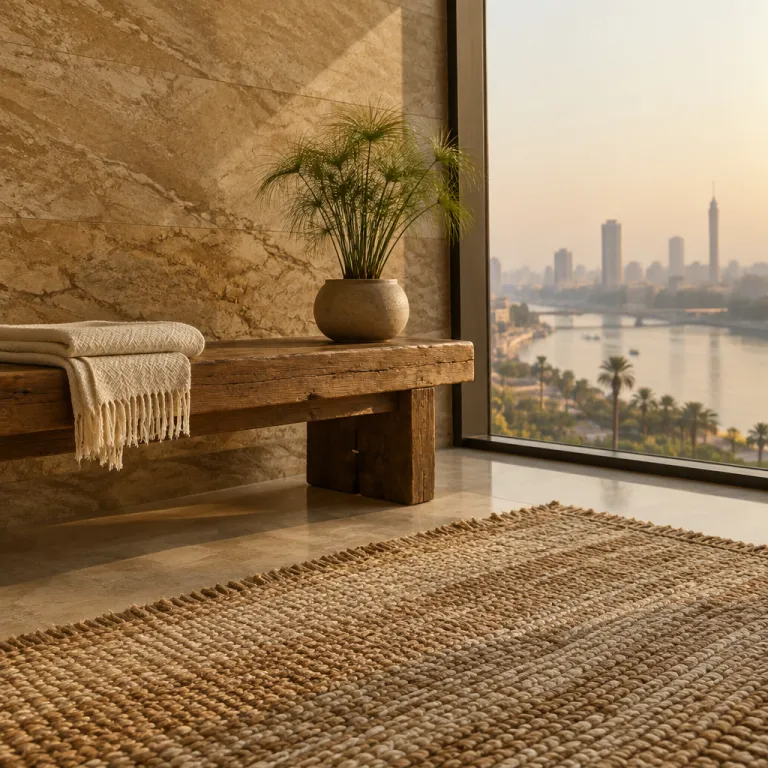
From a guest’s perspective, a hotel’s eco label credentials should feel like quiet confidence rather than constant reminders to turn off the lights. You check into a Cairo lobby that smells of polished stone and Egyptian coffee, not disinfectant and plastic packaging. The room feels calm, the view frames either the Nile or the city skyline, and only later do you notice that the amenities are eco friendly and the minibar avoids single use plastics.
Thoughtful hotels green their operations without sacrificing romance, which matters when you are planning an anniversary or first trip together. A restaurant might highlight seasonal produce from farms near Cairo, reducing transport emissions while giving you a more authentic taste of Egypt, and bar menus can quietly shift toward glass bottled mixers and filtered water rather than imported plastic. Wellness areas increasingly integrate sustainable tourism principles too, from energy efficient saunas to spa products that carry a credible eco label instead of vague green leaf icons, and some properties now publish annual sustainability highlights so returning guests can see how their stay contributes.
Communication is where the best properties stand apart, because they treat guests as partners in going green rather than passive consumers. Pre stay emails explain what the certification means and invite questions, while in room tablets or printed cards provide a direct contact channel for sustainability feedback alongside the usual phone extensions. If you want to go deeper, ask to speak with the environmental management coordinator or sustainability association liaison, who can explain how the hotel works with local communities and the wider tourism industry to keep Cairo’s hospitality tourism future viable.
Choosing a genuinely sustainable luxury hotel and avoiding greenwashing
When you search for eco conscious hotels in Cairo on a booking website, the challenge is not finding green claims but verifying them. Start by looking for recognized certification logos such as Green Key, Green Globe or the regional Green Star program, then cross check them on the certifier’s own website rather than trusting a single marketing page. Real certifications always involve audits, published criteria and some form of association membership within the wider sustainable tourism movement.
Next, read how the hotel describes its environmental management and social impact, paying attention to specifics rather than slogans. Concrete references to water reduction targets, waste separation, staff training and community partnerships carry more weight than generic talk about being environmentally friendly or globe green in spirit. If details are thin, use the hotel’s contact channels, including email info addresses and published phone numbers, to ask direct questions about energy use, linen policies and food waste management; genuine teams are usually willing to share recent achievements or upcoming goals.
Couples planning a longer stay might also compare how different hotels green their guest experiences, from refillable amenities to low impact excursions that support local guides instead of high volume operators. Our curated round up of new Cairo hotels worth booking early highlights properties where sustainable development is built into the design rather than bolted on later. In a Middle East capital where the tourism industry is expanding fast, choosing a certified eco friendly hotel today helps nudge the entire hospitality sector toward more responsible, key green practices tomorrow.
FAQ
What is Green Key certification and why does it matter in Cairo ?
Green Key certification is an international eco label for tourism establishments that meet defined sustainability criteria covering energy, water, waste and education. In Cairo, where hotels operate in a resource stressed desert environment, this certification signals that a property’s management has committed to measurable environmental performance rather than symbolic gestures. For travelers, choosing a Green Key certified hotel supports sustainable tourism in Egypt while still allowing for a comfortable, high end stay.
How can I verify that a hotel’s Green Key claim is genuine ?
To verify a Green Key claim, start by checking whether the hotel is listed on the official Green Key website, which maintains a directory of certified hotels worldwide. You can then contact the property directly by email or phone and ask for details about their latest audit and specific environmental management initiatives. Genuine certifications are transparent about criteria, timelines and ongoing improvements, while greenwashing tends to stay vague.
Which hotels in Cairo currently hold Green Key or similar eco labels ?
InterContinental Cairo Citystars is a prominent example of a hotel in Cairo that holds Green Key certification and integrates sustainability into large scale luxury operations. Other leading properties, such as Fairmont Nile City Hotel and Holiday Inn & Suites Cairo Maadi, follow comparable paths through Green Globe certification, which is another respected eco label in the hospitality tourism sector. When researching options, always confirm current status with the certifying body, because certifications depend on regular audits and can change over time.
What should I look for in a sustainable luxury hotel beyond the logo ?
Beyond the eco label logo, look for clear explanations of how the hotel reduces water and energy use, manages waste and supports local communities. Transparent communication on the website, in pre stay emails and at check in is a strong indicator that sustainability is embedded in management culture rather than treated as a marketing add on. You can also ask about specific programs, such as food waste tracking, linen reuse, eco friendly amenities and partnerships with Egyptian environmental organizations.
Can a five star hotel in Cairo really be both luxurious and eco friendly ?
A five star hotel in Cairo can combine luxury and sustainability when it invests in efficient infrastructure, trains staff thoroughly and designs guest experiences that feel generous rather than restrictive. Features such as high performance cooling systems, low flow fixtures, quality refillable amenities and locally sourced menus allow couples to enjoy comfort while reducing their footprint. Certified properties show that sustainable development and indulgent hospitality can reinforce each other, especially when management treats going green as a long term strategy instead of a short campaign.