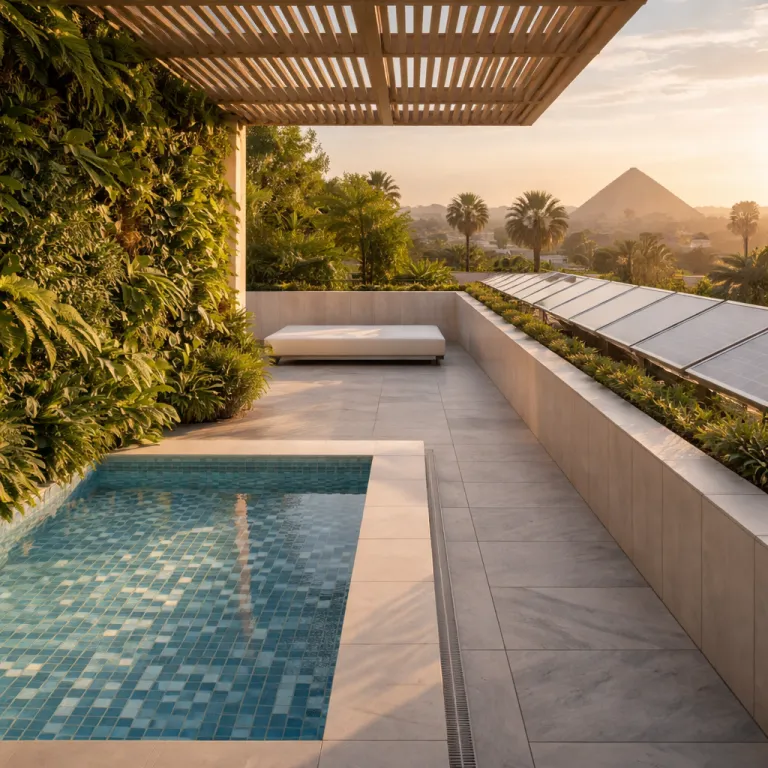
How sustainable luxury is reshaping Cairo’s high end hotels
Cairo’s luxury hotels are no longer treating sustainability as a side project. In a city where the Nile defines both beauty and vulnerability, the most forward looking general managers now treat energy, water and waste as core strategy, not CSR decoration. For business travelers extending a stay into leisure, this shift changes how you choose a hotel in the city and how you evaluate what premium comfort really means.
The main content of sustainable luxury hospitality in Cairo today is operational, not ornamental. Fairmont Nile City Hotel, Four Seasons Hotel Cairo at Nile Plaza and Sofitel Cairo Nile El Gezirah have each embedded sustainable practices into engineering, procurement and guest experience, from LED lighting to eco friendly cleaning products and serious water conservation. These luxury hotels in Egypt are responding to the Green Tourism initiative and to guests who quietly check whether a place walks the talk before they book a room or sign a corporate rate agreement.
Fairmont Nile City Hotel holds Green Globe certification, a signal that its sustainable practices are audited rather than self declared; according to Green Globe’s public directory, the property has maintained active status since the early 2020s. Sofitel Cairo Nile El Gezirah carries a Gold level rating under Accor’s Planet 21 program, placing this Sofitel Cairo address among the most advanced luxury hotels in the region for energy and waste management based on internal brand benchmarks. Four Seasons Hotel Cairo at The First Residence and Four Seasons Hotel Cairo at Nile Plaza have both published clear sustainability commitments in recent years, which matters when you are choosing between palace hotels along the Nile for a three night stay and want more than marketing language.
For the executive traveler, the question is no longer whether sustainable luxury hotels in Cairo exist, but which property aligns with your values and schedule. A hotel that reduces single use plastics, sources local food and invests in staff training tends to run tighter operations overall, which you feel in service consistency and room maintenance. When you check into these hotels across Egypt, you are also checking into a different philosophy of what luxury means in a dense city where every kilowatt and liter of water counts.
The guest journey is changing from the moment you skip main marketing slogans and read the sustainability section on a hotel website. You will see references to eco friendly amenities, natural materials in rooms and partnerships with local communities, all of which should be specific rather than vague. As one regional sustainability manager for a major Cairo hotel group notes in internal briefings, “Guests no longer accept generic promises; they want to see numbers, timelines and independent verification before they trust our sustainable hospitality claims.” If an upscale hotel in Cairo cannot explain its sustainable practices in clear, measurable terms, it is unlikely to be a leader in this new era of hospitality.
From solar panels to local farms: where Cairo’s green luxury gets real
Energy is where sustainable luxury hotels in Cairo either prove their seriousness or reveal greenwashing. Egypt has abundant sun, and the most forward looking properties in the capital are gradually integrating solar power into their operations to cut emissions and long term costs. Some hotels now report double digit percentage reductions in grid electricity use after installing rooftop panels, allowing guests to enjoy air conditioning, hot water and the quiet hum of a well run property with a lighter footprint.
Mövenpick Hotel Cairo Media City goes further by cultivating its own farm on the outskirts of the city to reduce food miles and guarantee fresh produce. This approach to sourcing local and organic ingredients shows how sustainable practices can enhance both taste and traceability for guests who care about what they eat. When you stay at such hotels in Egypt, you are not just sleeping in luxury rooms, you are participating in a supply chain that respects land, water and farmers and can track what percentage of produce comes from nearby fields.
Water management is equally critical along the Nile, where every palace hotel complex draws from a shared resource. Leading luxury hotels now install low flow fixtures, monitor consumption per occupied room and invest in greywater systems, which together can cut usage significantly without compromising comfort. Some properties report reductions of 20 to 30 percent in potable water use per guest night after retrofitting bathrooms and irrigation, figures that matter in Cairo and resonate when you later travel to destinations like Siwa Oasis, where salt lakes and fragile aquifers make water stewardship non negotiable.
The link between Cairo and Siwa is more than poetic for sustainability minded travelers. Properties such as Adrère Amellal near Siwa Oasis have long used natural materials, minimal electricity and deep local integration to create an eco friendly form of luxury that feels both ancient and quietly radical. When you return to a Sofitel or Four Seasons in the capital after a stay near the salt lakes, you notice which city hotels have learned from desert pioneers and which still treat sustainability as décor rather than a measurable operating system.
If you want a focused guide to luxury eco friendly hotels in Cairo that balance sustainability with serious comfort, study editorial resources that benchmark properties against clear criteria. A curated overview of luxury eco friendly hotels in Cairo and sustainable elegance along the Nile can help you separate marketing from measurable action. Use these insights to check how each hotel describes its energy mix, waste strategy and engagement with local suppliers before you book, and whether it discloses metrics such as waste diverted from landfill or renewable energy share.
What sustainable luxury feels like on the ground for business leisure travelers
For the executive extending a Cairo work trip, sustainable luxury hotels in the city are not an abstract concept. They shape how you sleep, eat, meet and decompress between negotiations, site visits and late night emails. The right hotel becomes both a quiet base and a case study in how a global city can host travelers without exhausting its own resources or compromising on high end service.
In practice, this starts with rooms that use natural materials, efficient climate control and intelligent lighting rather than gimmicks. You might notice motion sensors that dim lights automatically, double glazing that softens city noise and in room information that explains how linen reuse actually reduces water drawn from the Nile. Some properties now share approximate kilowatt hour savings per room from LED retrofits, turning abstract eco luxury claims into tangible numbers. These details rarely appear in glossy brochures, but they define whether an urban hotel truly integrates sustainable practices into daily operations.
Food and beverage is where many guests feel the difference most clearly. Hotels in Cairo that prioritize local sourcing will highlight Egyptian tomatoes, herbs, dates and cheeses on menus, often naming the farms or regions involved. When you order breakfast before a meeting, you are tasting a supply chain that keeps more value in Egypt and reduces the emissions associated with imported goods, especially when a hotel can state what share of its ingredients comes from domestic producers.
Service culture also evolves when a hotel takes sustainability seriously. Staff who are trained in eco friendly procedures tend to be more engaged, because they see how their work contributes to a larger purpose beyond nightly occupancy and average daily rate. That sense of mission is palpable in award winning properties where sustainability is part of the brand narrative and the daily briefing, not a forgotten page in a corporate manual, and where teams track progress on waste sorting or energy intensity alongside guest satisfaction scores.
From a guest perspective, the most useful tool is a set of questions you ask before you book. Ask the hotel which certifications it holds, how it measures progress and whether it publishes data on energy, water and waste, then check whether those answers feel concrete. When you compare sustainable luxury hotels in Cairo using these criteria, you quickly see which hotels across Egypt are ahead of the curve and which are still catching up, because leaders will usually share baselines, targets and year on year improvements.
For travelers who care about both impact and indulgence, Nile facing properties deserve special attention. A detailed guide to Cairo’s finest luxury hotels with balcony panoramic Nile views and premium comfort can help you weigh river vistas against sustainability credentials. Use that perspective to choose a property where your stay supports both your own wellbeing and the long term health of the city, from cleaner air to more resilient water systems.
How to book smarter: separating genuine sustainability from green gloss
The market for sustainable luxury hotels in Cairo is growing fast, and with growth comes noise. Marketing teams know that words like eco friendly, local and natural materials attract attention, especially from international guests. Your task is to read past the slogans and evaluate whether a hotel’s claims hold up under scrutiny, using the same rigor you might apply to a financial report or project proposal.
Start by looking for third party verification, because certifications require evidence rather than promises. Green Globe recognition for Fairmont Nile City Hotel and Mövenpick Hotel Cairo Media City, along with the Planet 21 Gold rating for Sofitel Cairo Nile El Gezirah, show that these properties submit to external audits; certification databases and brand reports list the year of award and renewal cycles. When a hotel in Cairo references the Green Tourism initiative or similar frameworks, ask how those guidelines translate into concrete actions on site, such as percentage reductions in energy per occupied room or documented waste diversion rates.
Next, examine how deeply sustainability is woven into the main content of the hotel’s narrative. If the only references appear in a single web page or a lobby plaque, you are probably seeing surface level positioning. In contrast, hotels that integrate sustainable practices into room design, meeting spaces, spa operations and community partnerships will usually describe these elements across multiple touchpoints and may publish annual sustainability updates alongside financial highlights.
Do not overlook the role of destinations beyond Cairo in shaping your expectations. A stay at Adrère Amellal near Siwa Oasis, where buildings use local stone and salt, candles replace most electric lighting and the surrounding salt lakes define the rhythm of life, recalibrates what low impact luxury can be. Returning to the city, you are better equipped to assess whether palace hotels along the Nile are moving in a similar direction or simply borrowing language from desert pioneers without matching their depth of commitment.
When you book, use your leverage as a paying guest. Ask whether the hotel tracks energy per occupied room, how it reduces single use plastics and what percentage of staff comes from local neighborhoods, then check whether the answers are specific. Hotels in Egypt that know guests care about these metrics are more likely to invest in long term improvements rather than short term campaigns, because transparent reporting becomes part of their competitive advantage.
Finally, remember that sustainable luxury is a spectrum, not a binary label. Some properties will excel in energy management but lag in community engagement, while others may shine in local sourcing yet still refine their waste systems. Your role as a traveler is to reward the hotels in Cairo that show transparent progress, because every thoughtful stay nudges the city’s hospitality industry toward a more resilient future and encourages more ambitious targets.
Key figures shaping sustainable luxury hotels in Cairo
- Fairmont Nile City Hotel received its Green Globe certification in the early 2020s, marking a formal recognition of its sustainability program by an international body focused on tourism standards and continuous performance monitoring; certification records list criteria such as energy use, water conservation and community support.
- Mövenpick Hotel Cairo Media City was recertified by Green Globe in the same period, confirming that its on site farm and resource management systems met ongoing performance criteria rather than one off targets and that audits verified year on year improvement in indicators like waste diversion and energy per occupied room.
- Sofitel Cairo Nile El Gezirah achieved a Gold level rating under Accor’s Planet 21 program in the early 2020s, placing it among the group’s leading properties worldwide for energy efficiency, waste reduction and community initiatives according to internal brand benchmarks and publicly shared Planet 21 progress summaries.
- The concentration of certified sustainable luxury hotels in Cairo has increased in recent years, reflecting both the Egyptian government’s Green Tourism initiative and rising demand from international business and leisure travelers who ask for verified eco luxury credentials and request documentation during the booking process.
- Energy saving systems such as LED lighting and advanced water conservation measures are now standard in many top tier hotels in Egypt, reducing operational costs while lowering environmental impact for every occupied room and supporting measurable cuts in emissions and water use that can be tracked in annual sustainability reports.