Cairo tourism growth 2026 and the new luxury equation
Cairo tourism growth 2026 is not an abstract forecast for economists. It is the moment when Egypt’s capital shifts from a resilient destination to a central player in the global luxury travel market, with high expectations from executives who now extend business trips into long weekends. For travelers choosing between a Nile view suite and a Giza Plateau address, the question is how this tourism growth will reshape service quality, sustainability and the very feel of the city.
The numbers already tell a story of record momentum in Egypt’s tourism sector. Cairo welcomed 19 million tourists in the last reported year, a 21 percent rise from the previous period, and that record breaking surge is the runway for the projected reach of 18.6 million international arrivals and 17.8 billion dollars in receipts that define the cairo tourism growth 2026 narrative. In practical terms, this growth means more luxury keys coming online, more competition for talent and a sharper divide between properties that invest in development of service culture and those that simply add capacity.
For the luxury and premium segment, cairo tourism growth 2026 is less about volume and more about how the sector uses new revenue. Egypt’s hospitality economy can either channel this rise into long term investment in training, eco friendly infrastructure and guest experience, or chase short term record occupancy without reinforcing standards. The best hotels in the capital already understand their central role in positioning Cairo as a serious rival to Dubai and Istanbul for high yield travel, and they are quietly re engineering operations to match that ambition.
Executives arriving for regional business will feel this shift first. They will see it in faster airport transfers, more polished check in rituals and a broader choice of high end properties that treat time as the most precious currency. They will also notice that cairo tourism growth 2026 brings more congestion at headline sites, which makes the choice of hotel location and concierge capability a strategic business decision rather than a lifestyle flourish.
Within this context, content that helps travelers read the market becomes a form of soft infrastructure. A curated luxury hotel booking website for Cairo does not just list rooms ; it filters the sector through a lens of service, sustainability and access, translating macro tourism growth into concrete options. That is why our editorial view is unapologetically opinionated about which hotels in Egypt’s capital are ready for the next year of expansion and which are still trading on nostalgia.
From Nile Plaza to Giza: where luxury really works for business leisure
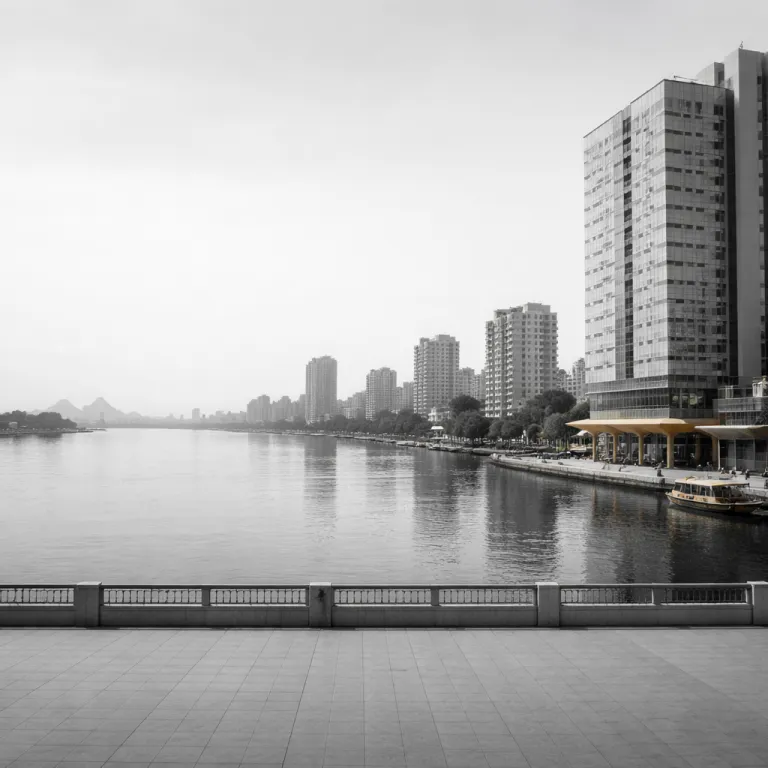
Stand on the Corniche at sunset and you can read Cairo’s luxury story in glass and stone. On one stretch of the Nile, Four Seasons Hotel Cairo at Nile Plaza, The St. Regis Cairo and The Nile Ritz Carlton form a kind of executive triangle, each with a different view on what cairo tourism growth 2026 should feel like for high spending guests. A few kilometres away, cranes on the Giza Plateau signal a different kind of development, one that tests whether record tourism growth can coexist with a sense of place.
For the business leisure traveler, the Nile front remains the most strategic address in Egypt’s capital. Four Seasons Hotel Cairo at Nile Plaza is better for discreet corporate meetings and long stay comfort, while The St. Regis Cairo excels at statement making arrivals and high design public spaces that suit regional business events and any sector specific webinar. The Nile Ritz Carlton, facing Tahrir Square and the Egyptian Museum, offers a more historic view of the city’s political and cultural economy, which appeals to executives who want their travel content to include real context, not just spa menus.
These properties are also early test cases for how the market responds to cairo tourism growth 2026 without diluting standards. Each has invested in eco conscious operations, from water management to energy efficient systems, aligning with Egypt’s broader development goals and the Green Tourism agenda. When tourism growth accelerates, such investment is not a branding flourish ; it is the only way to protect both guest comfort and the city’s long term liveability.
Recent news from the hospitality sector confirms that luxury supply is still expanding. The opening of The St. Regis Cairo in December of the last reported year signalled that international brands see Cairo’s projected reach as structurally sound, not a temporary spike. That record breaking confidence matters for travelers, because it usually brings sharper service training, more competitive rates and a wider range of room categories that can match different business and leisure priorities.
For readers comparing Cairo with other high profile capitals, the equation is shifting. Dubai still dominates the regional conversation for ultra high end travel, while Istanbul and Marrakech offer strong cultural depth, yet cairo tourism growth 2026 positions Egypt’s capital as the place where serious business, layered history and a rising luxury scene intersect. If you want a structured overview of five star options across the country before committing to the capital, our detailed guide to five star hotels in Egypt for discerning stays is a useful starting point.
The Giza Plateau stress test: 25,000 rooms and a fragile landscape
Nowhere will cairo tourism growth 2026 be felt more acutely than on the Giza Plateau. Plans for roughly 25,000 new rooms near the pyramids represent a record breaking bet on Egypt’s ability to keep drawing high volumes of visitors while maintaining the dignity of its most famous site. For luxury travelers, the question is whether this rise in capacity will translate into better crowd management or simply more buses in the same narrow corridors.
From a sector perspective, the Giza build out is both a risk and an opportunity. If development is handled with restraint, new hotels can distribute arrivals across the day, smoothing peak times and giving guests a calmer view of the plateau at dawn and dusk. If the market chases only short term occupancy, cairo tourism growth 2026 could mean longer queues, more pressure on water and waste systems and a gradual erosion of the very atmosphere that draws travelers to Egypt in the first place.
Luxury guests should interrogate how each property positions its central role in this fragile ecosystem. Ask about water usage, waste treatment and energy sources, because these operational details will shape both your comfort and the site’s long term resilience. The most forward looking hotels are already using cairo tourism growth 2026 projections to justify investment in grey water systems, solar integration and shuttle services that reduce private car traffic around the plateau.
There is also a human dimension that rarely makes it into glossy content. Rapid tourism growth can strain local communities if wages lag behind room rates, or if informal vendors are pushed out without alternative livelihoods, which ultimately destabilises the visitor experience. Executives who care about the broader economy should see their hotel choice as a business decision that either supports inclusive development or accelerates extractive models.
Timing your stay will matter more as the projected reach of arrivals climbs. Consider visiting major sites early in the week, booking private access slots where available and using your concierge to secure off peak entry windows, especially during the high season. For those planning summer trips, our guide on how to handle Cairo’s heat while still enjoying an extraordinary stay offers practical strategies that become even more valuable as crowds grow.
How to choose a Cairo hotel that benefits from growth, not crowds
With cairo tourism growth 2026 reshaping supply, the smartest travelers will treat hotel selection as a form of strategy. The right property can turn a potentially chaotic stay in Egypt’s capital into a seamless blend of meetings, site visits and quiet hours by the pool. The wrong choice leaves you stuck in traffic, queuing at breakfast and fighting for elevator space with tour groups chasing record breaking selfie counts.
Start by mapping your own travel economy. If you are in Cairo primarily for business, prioritise hotels with efficient access to the central business district, reliable high speed connectivity and meeting spaces that can double as informal lounges between calls. For those extending trips into leisure, look for properties that balance a strong Nile or city view with easy transfers to Islamic Cairo, Zamalek and Giza, so you are not spending half your year’s vacation days in a car.
Next, interrogate how each hotel talks about cairo tourism growth 2026 in its own content. Are they transparent about sustainability initiatives, staff training and community engagement, or do they only celebrate record occupancy and generic tourism growth figures ? Properties that frame their central role in the sector with nuance usually have leadership that thinks beyond the next quarter. This is where a curated booking platform for Cairo, built on independent reviews and on the ground inspections, becomes more valuable than any glossy webinar or marketing brochure.
Digital behaviour is also shifting as the market matures. Executives increasingly expect to sign up for a webinar that explains new visa rules, airport processes or investment opportunities before they travel, and they want hotel partners who can provide that level of anticipatory guidance. When a property’s website offers thoughtful city guides, clear sustainability reporting and honest news about what to expect during peak periods, it signals a culture that respects your time and intelligence.
Finally, remember that cairo tourism growth 2026 is not just a statistic ; it is a lived experience for staff, residents and guests. Choosing hotels that invest in long term development of their teams, that pay fairly and that manage resources responsibly is not charity, it is risk management for your own stay. For more granular advice on timing, neighbourhoods and seasonal tactics, our in depth piece on navigating Cairo’s climate while maintaining a high comfort level offers practical guidance tailored to luxury travelers.
Key figures shaping Cairo’s luxury hotel horizon
- Cairo received 19 million tourists in the most recently reported year, a 21 percent increase from the previous period, according to Egypt’s Ministry of Tourism and Antiquities, which sets the baseline for cairo tourism growth 2026 scenarios.
- Egypt’s tourism sector is projected to welcome around 18.6 million international visitors and generate approximately 17.8 billion dollars in receipts, positioning the capital as a central role player in the regional travel economy compared with Dubai, Istanbul and Marrakech.
- Plans for roughly 25,000 additional rooms around the Giza Plateau illustrate how record breaking capacity expansion is being concentrated near key landmarks, raising both opportunity and sustainability questions for luxury travelers.
- Recent luxury openings, including The St. Regis Cairo, reflect sustained investment and confidence in the high end market, reinforcing Cairo’s status as a rising global capital for premium hospitality.
- According to Egypt’s Ministry of Tourism and Antiquities, “Tourists in 2025: 19 million” and “Increase from 2024: 21 percent”, figures that underline how quickly demand has rebounded and why careful development is essential.
Suggested sources for further reading : Egypt’s Ministry of Tourism and Antiquities, UN World Tourism Organization, World Travel & Tourism Council.