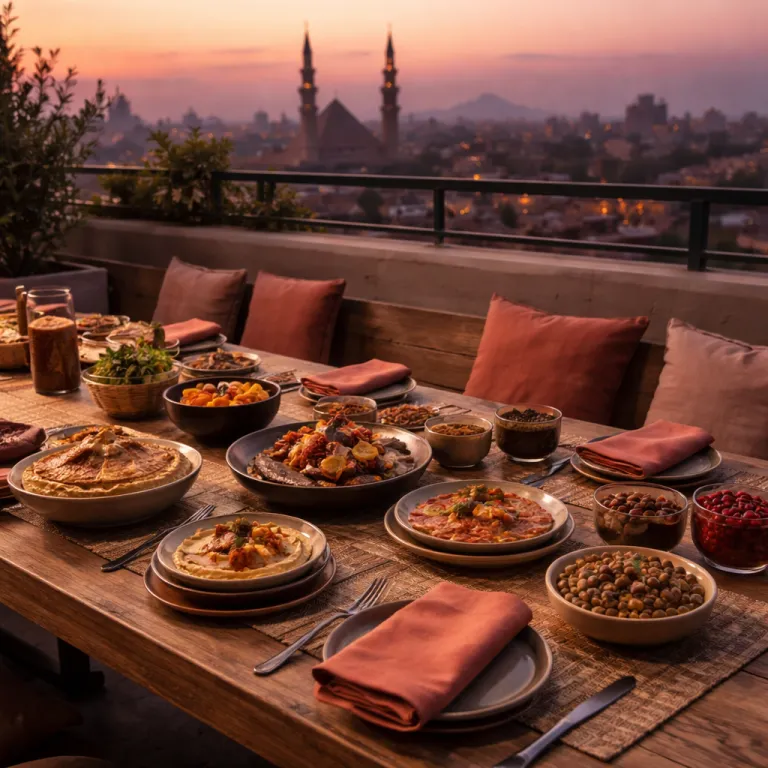
From lobby lounges to landmark tables: why the Cairo food scene now leads your hotel choice
Cairo is no longer a city where luxury travelers eat most meals inside their hotel. By the mid‑2020s, the capital’s dining culture has shifted the center of gravity toward independent restaurants, where Egyptian cooking finally takes the spotlight and international attention is starting to follow. For anyone booking a premium stay, the question is no longer just Nile view or pyramids view, but which restaurants and which Cairo street food experiences sit within a ten minute walking radius.
The city’s culinary evolution has been deliberate, blending traditional Egyptian methods with modern technique and design. Local chefs have used pop up events, food tours and collaborations with international partners to push Cairo dining into the same conversation as regional heavyweights, while still grounding menus in ful medames, koshary and baladi bread. This is why the city’s restaurant landscape now matters for hotel selection; your address determines how easily you can move between fine dining, street food and late night sugarcane juice stands.
For years, five star properties along the Nile defined what counted as “special occasion” dining in Egypt. Today, travelers who care about food read reviews of Khufu's near the Giza Plateau as closely as they read suite descriptions, because a table there can be as decisive as a spa or a pool. The restaurant has drawn regional attention from lists such as MENA’s 50 Best Restaurants and similar rankings, and any serious luxury itinerary in Cairo now often balances time between that dining room, a private Cairo car transfer back to town and a late walk through downtown for koshary and street snacks.
Once you understand this shift, hotel booking becomes a culinary decision as much as a comfort one. Stay riverside and you are well placed for Nile facing venues like Sequoia, Crimson and Pier 88, where the city’s contemporary food culture plays out in long, languid dinners over the water. Base yourself near downtown and you gain instant access to Cairo street vendors, Abou Tarek’s legendary koshary and walking routes that link the Egyptian Museum with late night food tours and sugarcane juice stalls.
Price points reinforce this new freedom. A generous bowl of koshary in downtown Cairo is commonly reported between 20 and 30 EGP in recent guidebooks, while a falafel sandwich often sits between 5 and 10 EGP, which means even guests in the most luxurious suites can eat like locals without denting their budget. That affordability encourages travelers to step outside, test their dietary restrictions with guidance from a food guide and compare hotel breakfasts with what local vendors serve on the street. As one concierge at a Nile side property put it, “We want guests to treat the entire city as their dining room, not just the lobby level restaurant.”
Khufu’s, Zooba and Majeez: the new canon of Egyptian dining
The most telling sign of Cairo’s new gastronomic confidence is that its reference points now sit outside hotel walls. Khufu’s, a restaurant near the Pyramids of Giza, has become shorthand for a renewed pride in Egyptian cooking, and its regional acclaim has changed how travelers plan their stays. Many guests now book Giza facing hotels or arrange private Cairo transfers specifically to secure a tasting menu there, then build the rest of their tours Cairo schedule around that reservation.
Khufu’s is not alone in rewriting expectations. Zooba, with its elevated take on Cairo street staples, has shown that koshary, ful medames and taameya can move from plastic chairs to design forward counters without losing their soul, and that lesson has rippled through the wider Cairo restaurant scene. Majeez, a contemporary spot frequently cited by local food writers, takes the idea further with upscale koshary arancini, folding rice, lentils, tomato sauce and fried onions into something that feels both playful and deeply traditional Egyptian at the same time.
For luxury travelers, this means the old rulebook about “fine dining equals hotel dining” no longer applies. You might still enjoy a private table at your property’s signature restaurant, but the most memorable meals now often happen when you step into the city’s independent rooms and onto its streets. A day might start with a curated breakfast in your suite, continue with a walking tour through downtown Cairo for street food, and end with a long dinner at Khufu’s followed by bottled water and sugarcane juice from local vendors near your hotel.
Planning around these restaurants requires the same precision you would apply to booking a top suite. Tables at Khufu’s and other headline venues are limited, and the best seats often align with sunset over the Giza Plateau, so aim to reserve at least two to three weeks in advance during peak seasons and align your hotel’s check in and your tours Cairo schedule accordingly. Many concierges will email the restaurant on your behalf once your room is confirmed, and some can arrange timed private transfers so you arrive just as the light changes over the pyramids.
What ties Khufu’s, Zooba and Majeez together is not just technique, but a shared respect for local ingredients and local stories. They treat baladi bread, chickpeas, lentils and tomatoes with the same seriousness that European kitchens reserve for truffles and caviar, and they frame ful medames or koshary as dishes worthy of contemplation, not just quick fuel. For guests used to hotel buffets that bury Egyptian dishes among international options, Cairo’s current restaurant wave offers something more focused, more confident and far more memorable.
Street food, walking tours and the new luxury of eating like a local
Luxury in Cairo now includes the freedom to eat on the street without sacrificing comfort or safety. The city’s informal food culture has moved from a side note to a central experience, and the smartest premium hotels actively encourage guests to explore it with context. They know that the best koshary often comes from a counter like Abou Tarek in downtown Cairo, not from a silver cloche.
Abou Tarek has served generations of Cairo residents, and its multi level space near key downtown landmarks makes it an easy stop between the Egyptian Museum and the Nile. Here, koshary arrives layered with pasta, lentils, chickpeas, tomato sauce and a crown of fried onions, with bottled water or sugarcane juice on the side, and the bill rarely climbs beyond a few dozen EGP. For many travelers, that first bowl becomes the benchmark against which all other Cairo food is judged, including what they eat back at their hotel.
Guided walking routes now bridge the gap between five star suites and Cairo street vendors. Curated food tours lead travelers through downtown alleys, past carts selling ful medames and baladi bread, and into family run dining rooms where traditional Egyptian recipes have barely changed in decades. These experiences typically respect dietary restrictions, explain which water is safe to drink, and often include a private transfer back to your hotel once the tasting is over.
For solo explorers, this is where the city’s culinary energy feels most alive. You might start with a structured food guide led tour in the afternoon, then return the next day on your own, armed with a mental map of which vendors handle fresh ingredients carefully and which Cairo street corners feel comfortable after dark. One local guide described it as “giving guests the confidence to order like a regular, then step back into their hotel as if they live here.”
Pop up dining has added another layer to this movement. Temporary kitchens appear in courtyards, on rooftops and even within hotel gardens, where local chefs reinterpret Cairo food with tasting menus that might pair ful medames with unexpected garnishes or serve koshary alongside refined vegetarian plates. These events blur the line between formal dining and street food, and they reward travelers who read reviews carefully, ask concierges about seasonal programming and stay flexible with their plans.
Choosing a luxury hotel that amplifies Cairo’s culinary movement
When you book a luxury stay in Cairo now, you are also choosing your position within the city’s culinary map. The evolving restaurant scene rewards guests who think in terms of neighborhoods, walking distances and access to both landmark restaurants and humble vendors. A Nile side address offers one kind of experience, while a base near downtown Cairo or Islamic Cairo offers another.
Riverside properties place you close to destination dining rooms like Sequoia, Crimson and Pier 88, where long dinners unfold over the water with views that justify lingering over every course. These venues often work well after a day of tours Cairo that includes the Egyptian Museum or a private Cairo excursion to Giza, allowing you to return, shower and then head out again for refined dining. Our profile of the Shepheard Hotel’s reimagined Nile side experience shows how a single property can act as a calm base while you chase the city’s most exciting tables.
Staying closer to downtown Cairo, by contrast, immerses you in the daily rhythm of Cairo street life. From here, you can walk to Abou Tarek for a late lunch, sip sugarcane juice from local vendors, then head to Khan Khalili for evening browsing and more street food, all without needing a car. For many travelers, that proximity to Cairo food in its most unvarnished form feels like the real luxury, especially when they know they can retreat to crisp sheets and quiet air conditioning afterwards.
Whichever area you choose, use reviews not just to judge service, but to understand how well a hotel connects you to the broader dining scene. Look for concierges who can arrange private tastings, secure hard to get reservations at Khufu’s or Majeez, and recommend food tours that respect your dietary restrictions while still pushing you toward authentic Egyptian cooking. A strong property will treat your appetite as seriously as your room category, curating routes that move from baladi bread breakfasts to vegetarian friendly lunches and late night snacks on the street.
In the end, the most rewarding stays in Cairo now weave together water views, private comfort and a willingness to eat beyond the lobby. You might start with a hotel breakfast, spend the day on walking tours between the Egyptian Museum and Khan Khalili, then close the evening with koshary, ful medames or a multi course tasting menu that tells the story of traditional Egyptian flavors in a contemporary voice. The city’s food culture has crossed a threshold, and the travelers who benefit most are those who let their palate, not just their pillow, guide where they stay.
Key figures shaping Cairo’s new culinary landscape
- Khufu’s near the Pyramids of Giza has been highlighted by regional restaurant awards and international food media, a milestone that many commentators see as signaling Cairo’s arrival as a serious fine dining destination in the region.
- Typical koshary prices in downtown Cairo are widely reported between 20 and 30 EGP in recent travel guide data, which allows luxury travelers to sample multiple venues in a single day without significant cost.
- Falafel sandwiches in central districts usually cost between 5 and 10 EGP according to local price surveys, making street food an accessible complement to higher end dining rooms for visitors staying in premium hotels.
- Egyptian food writers and culinary historians now cite koshary as a key part of the country’s urban heritage, and its rising profile has coincided with a surge in pop up dining experiences across Cairo.
- Year round programming now includes pop up events early in the calendar, regional awards announcements soon after and ongoing food tours throughout the year, giving travelers multiple entry points into the evolving Cairo food scene.