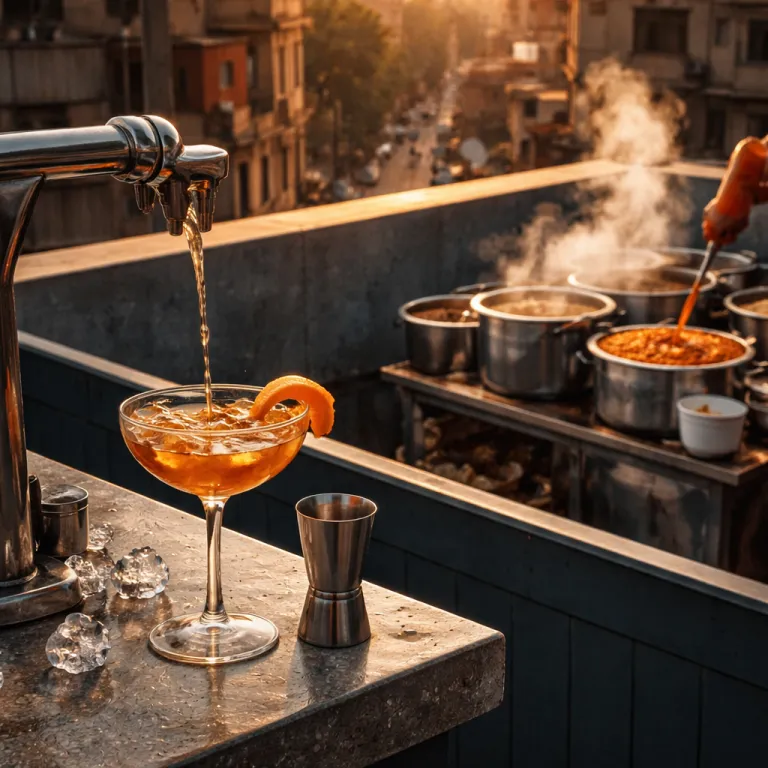
Morning in downtown Cairo: foul carts, taameya and hotel coffee diplomacy
Begin your Cairo food journey before the sun fully warms the city. Step out from your Nile view suite and walk towards downtown Cairo, where pavements fill with office workers, students and families lining up at metal carts. This is where eating in Cairo starts to feel real, long before your luxury hotel breakfast buffet opens its polished doors.
At the corner of almost every busy street you will find a foul cart, serving slow cooked fava beans scented with cumin, lemon and garlic, alongside crisp taameya made from fresh herbs. Typical koshari prices at comparable street food stands in central Cairo often fall in the 20–35 EGP range as of 2024, which means a full traditional Egyptian breakfast here can cost less than a single hotel coffee. For couples used to fine dining, this contrast is part of the charm of food in Cairo, and it is one of the best ways to meet local Cairo rhythms without sacrificing comfort.
Ask your concierge to mark a reliable vendor on your mobile maps, then walk five or ten minutes into the downtown grid where koshari sellers and foul vendors work side by side. These local cooks prepare and sell koshary from carts or tiny storefronts, and they are central to any serious Cairo food itinerary. Eating on the street may feel informal, yet the flavours of this traditional Egyptian food are as layered as anything you will taste later in a white tablecloth restaurant.
Order your foul in a soft baladi bread pocket, add pickles, then share a second sandwich of taameya with your partner while the city traffic builds. The food is simple and delicious, with textures that make sense of Egyptian cuisine in a single bite. From here you can stroll towards the Egyptian Museum or the Grand Egyptian Museum shuttle stops, already anchored in the everyday life of Cairo rather than floating above it in hotel isolation. Carry small bills, avoid ice from unknown sources and use hand sanitiser before eating to keep this first meal both memorable and comfortable.
Midday in Zamalek: elevated street food and modern Egyptian cuisine
Late morning is the moment to cross the Nile River from downtown to Zamalek, the leafy island that hosts embassies, galleries and some of the best restaurants in the city. Here your Cairo food guide shifts from pure street food to a polished interpretation of Egyptian dishes, without losing the connection to the pavement stalls you saw earlier. Walking or taking a short ride keeps you close to the water, with views that remind you why couples choose luxury hotels along this stretch of Cairo.
Zooba in Zamalek, on 16 26th of July Street, has become a reference point for travelers who want to understand Egyptian food culture through design, music and flavour. The menu reads like a curated list of popular street classics, from koshary to taameya and fiteer, but every dish arrives with careful plating and consistently fresh ingredients. As of 2024, many mains fall in the 120–250 EGP range, with branches typically opening from late morning until around midnight, though exact hours vary by location. This is where eating in Cairo becomes a bridge between fast food energy and the precision of fine dining, and it is an essential stop for anyone serious about food-focused experiences in the city.
Order koshary for two, then add small plates of grilled meats, pickled vegetables and seasonal salads to taste how Egyptian cuisine can be both nostalgic and contemporary. The flavours echo what you tasted at the morning cart, yet the textures are more controlled, the spice balance more deliberate, and the service aligned with expectations of premium city restaurants. For couples staying in luxury properties, this is often the first place where food notes start filling with specific favourites rather than generic impressions.
From Zamalek you can easily plan the rest of your day around gastronomy-focused experiences. A short ride returns you to downtown Cairo for museum visits, or you can continue along the Nile River to explore other addresses featured in curated gastronomic journeys through luxury and premium hotel booking websites in Cairo or broader stay in Cairo guides. Either way, midday in Zamalek proves that Egyptian dishes are not confined to one neighbourhood or one price point, and that the best food often sits exactly between street and silver service.
Afternoon in Khan el Khalili: tea, spices and food adjacent pleasures
After lunch, your route should bend east towards Islamic Cairo and the labyrinthine lanes of Khan el Khalili. This historic market is less about sitting down to a full dish and more about letting food, scent and sound wrap around you as you walk. The bazaar is a reminder that eating in Cairo is also about context, not only about what lands on your plate.
Find a shaded café terrace near the heart of Khan el Khalili, where brass trays carry mint tea, Turkish coffee and small plates of simple Egyptian food. Here the pleasure lies in sipping slowly while spice merchants call out prices, and while trays of fresh bread and sweets weave through the crowd. The experience is food adjacent yet essential, because it shows how Egyptian cuisine lives in the city air long before it reaches any formal restaurants.
From this vantage point, couples can plan an evening that might include a visit to the Egyptian Museum or a later transfer to the Giza Plateau. A refined dinner at Khufu’s, often highlighted as one of the best food addresses near the pyramids, can be explored in more depth through a dedicated guide to Khufu’s on the Giza Plateau named among the region’s standout restaurants. Booking ahead is recommended in high season, and smart casual dress is usually expected for dinner.
As you wander back through the market, notice how many stalls sell ingredients that underpin traditional Egyptian dishes, from lentils for koshary to spices for grilled meats. This is the supply side of food in Cairo, and it matters as much as the finished plates you will enjoy later along the Nile River. By mid afternoon, you will have tasted, smelled and watched enough to understand why local and visiting couples alike call this city one of the best places in Egypt for immersive eating.
Sunset on the Nile River: fine dining, river light and hotel choices
As the heat softens, your day’s story should return to the water, where the Nile River reflects the changing light and the city begins to dress for evening. This is the moment to shift from street food textures to the elegance of fine dining, without losing the thread that connects every dish you have tasted since morning. Couples staying in premium hotels along the river have a front row seat to this transformation, and the best properties use their restaurants to frame the view as carefully as the menu.
Sequoia, at the northern tip of Zamalek, offers sweeping views of Cairo and a menu that blends Mediterranean influences with Egyptian dishes. Here you might share grilled meats, fresh salads and mezze while feluccas glide past, turning dinner into a moving panorama of the city. Pier 88, another waterfront address, leans more towards international cuisine yet still respects local ingredients, making it a good choice for travelers who want variety after a full day of Egyptian food. Expect mains at these venues to often start around 350–450 EGP as of 2024, with reservations strongly advised for sunset.
The dress code shifts here from the casual clothes of downtown Cairo to smart attire that suits the setting and the prices. For couples planning where to stay, it is worth consulting a detailed neighbourhood guide for every kind of trip on stay in Cairo, which links hotel locations with nearby restaurants and street food options. That way your eating plans remain flexible, whether you crave fast food comfort, traditional Egyptian plates or a multi course tasting menu overlooking the water.
From your table you can see how the city’s layers stack up, from the distant outline of the Giza Plateau to the lights of downtown and the quieter residential blocks of Zamalek. This is where many food-focused travel narratives often crystallise, because you have moved from cart to café to riverfront fine dining in a single day. The food remains the anchor, yet the changing settings show how Egypt and its capital reinvent hospitality without losing their roots.
Night in Zamalek and beyond: rooftop cocktails and evolving Cairo nights
When dinner ends, the journey is not finished, because Cairo comes alive again after dark. Rooftop bar staff across the city prepare for another wave of guests, and the skyline begins to sparkle in a way that feels both cinematic and intimate. This is the time to trade cutlery for glassware and let the city’s energy carry you a little higher.
Crimson rooftop bar in Zamalek, on 3 Taha Hussein Street, has become a favourite for couples who want cocktails with a clear view of the city and the Nile River. Here, bartenders and servers specialise in serving cocktails at rooftop venues, and they understand that the view is as important as the drink. The atmosphere is relaxed yet polished, with music low enough for conversation and a menu that often includes light bites inspired by Egyptian cuisine alongside international comfort food. As of 2024, cocktails typically range from 250–400 EGP, and a smart casual dress code is common.
From this height, the day’s eating memories arrange themselves into a coherent map. You can trace the route from the morning foul cart in downtown Cairo, past Zooba’s elevated koshary, through the crowded alleys of Khan el Khalili and out towards the pyramids and the Giza Plateau. The city feels both vast and navigable, and your sense of where to find the best food in each district becomes sharper with every sip.
As you plan future days, remember that a balanced Cairo food strategy mixes street food, traditional Egyptian restaurants such as Abou El Sid or Fasahet Somaya, and the occasional splurge at a grand Egyptian hotel dining room. Walking tours, public transport and short rides make it easy to move between these worlds, especially if you wear comfortable shoes, stay hydrated and carry local currency. In the end, what is koshari? A traditional Egyptian dish of rice, lentils, pasta and tomato sauce; and what are rooftop bars in Cairo like? Are rooftop bars in Cairo expensive? Prices vary; some are affordable, others are upscale, so checking menus and minimum charges in advance is wise.
FAQ for couples planning a food focused stay in Cairo
Is Cairo street food safe for travelers staying in luxury hotels ?
Street food in Cairo is widely eaten by local residents, and many vendors near downtown Cairo and Zamalek maintain high turnover, which helps keep ingredients fresh. Choose busy stalls where you can see food cooked to order, especially when trying koshary, foul or taameya. If you have a sensitive stomach, start with cooked dishes rather than raw salads, avoid tap water and ice, and carry hand sanitiser when exploring food in Cairo on foot.
Where can I find the best koshary near central Cairo ?
In the city centre, you will find popular koshary chains and independent koshari vendors within walking distance of many premium hotels. Look for venues that are crowded at lunch and early evening, as this indicates good quality and rapid turnover of Egyptian dishes. Concierges at luxury properties are usually happy to recommend specific addresses that match your comfort level with street food and portion sizes.
How should I plan a one day food itinerary that includes the pyramids ?
A practical route starts with breakfast at a downtown cart, continues with an early lunch in Zamalek, then heads to the Giza Plateau for a late afternoon visit to the pyramids. You can book dinner at a respected restaurant near the site, then return to the Nile River for rooftop cocktails. This structure lets you experience local, traditional Egyptian flavours, museum visits and iconic views without rushing.
Are rooftop bars in Cairo suitable for couples seeking a quiet evening ?
Many rooftop bars, especially in Zamalek and along the Nile River, cater to couples and small groups rather than large parties. Venues such as Crimson balance music and conversation, offering city views, cocktails and light food without overwhelming noise. Check dress codes in advance, as some places lean towards smart casual, aligning with the expectations of guests from luxury and premium hotels.
How can I combine museum visits with memorable meals in Cairo ?
Plan your day so that visits to the Egyptian Museum or the Grand Egyptian Museum sit between food stops in downtown Cairo and Zamalek. For example, enjoy a simple breakfast near Tahrir Square, tour the museum in the late morning, then cross the river for a leisurely lunch overlooking the Nile River. This approach keeps transfers short, maximises time for eating Cairo specialities and ensures you experience both culture and cuisine in a relaxed rhythm.