A new grand egyptian museum guide for luxury travelers
The Grand Egyptian Museum rises on the Giza Plateau, a vast modern landmark of glass and stone between central Cairo and the pyramids. This is where the gravitational pull of culture in Egypt has shifted, away from the historic Egyptian Museum in Tahrir Square and toward a campus that finally matches the scale of ancient Egypt. For travelers planning an Egypt tour with a focus on art, architecture, and comfort, this Grand Egyptian Museum guide 2026 style of planning is now essential rather than optional.
The museum’s position beside the Pyramids of Giza means your view of Cairo’s cultural map will change the moment you step into its roughly 500,000 square metres of galleries, plazas, and conservation labs (a figure widely cited by the Egyptian Ministry of Tourism and Antiquities). The ministry oversees operations, while Heneghan Peng Architects shaped a structure that frames the Giza pyramid line in the distance and turns every approach into a slow, ceremonial tour grand of stone ramps and courtyards. For many guests, a single day here feels too short, yet the right strategy over two or three days in Cairo can weave the museum, the Giza Plateau, and Nile-side evenings into one coherent experience.
Officially, “What is the Grand Egyptian Museum?” is answered in the museum’s own material as a state-of-the-art institution in Giza housing tens of thousands of artifacts, with around 57,000 objects expected on display when fully opened. That scale matters for how you will travel, because a serious visit Egypt itinerary must now allocate at least one full day, and often two days Cairo, to this single institution. When you add the complete Tutankhamun collection, the colossal statues in the atrium, and the outdoor sculpture gardens, the museum becomes less a stop on a tour Cairo circuit and more the anchor around which luxury hotels, private tours, and curated Egypt tours now orbit.
From Tahrir to Giza: how the museum reshaped where to stay
Before the Grand Egyptian Museum opened, most premium travelers booked hotels around Downtown Cairo or Zamalek to be close to the Egyptian Museum in Tahrir Square. That older Egyptian Museum still holds charm and a dense, almost chaotic atmosphere, yet overcrowding and limited space meant many masterpieces from ancient Egypt remained in storage. With a large share of the national collection now displayed in Giza, the grand Egyptian complex has pulled the center of gravity westward, and luxury hoteliers have followed.
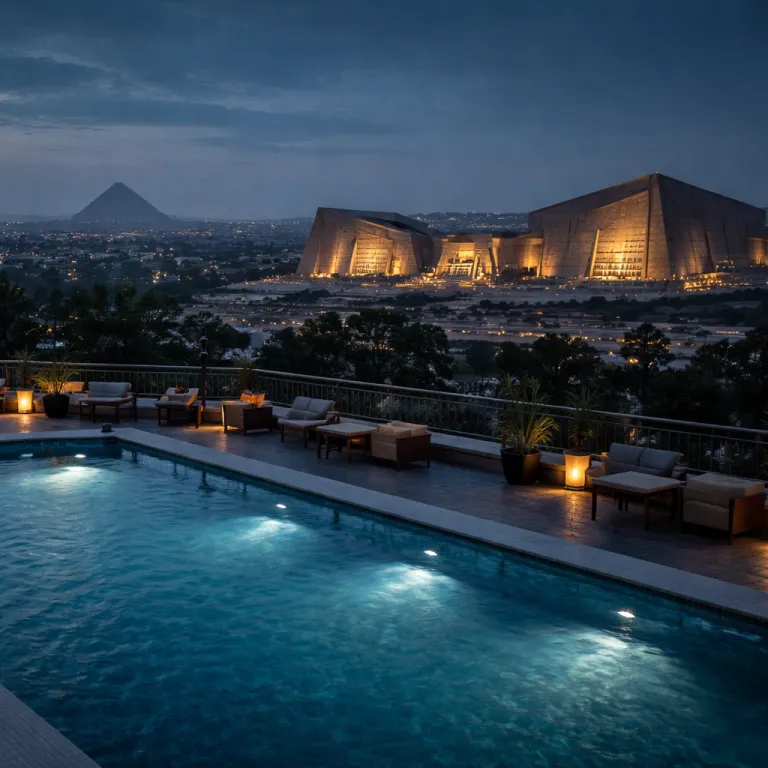
Staying in Giza now makes sense for more than just a quick visit to the Pyramids of Giza, because the museum and the Sphinx can fill an entire day without long transfers. High-end properties along the plateau road offer suites where you can wake to a direct view of the Great Pyramid, then step into a hotel car for a 20–30 minute ride from central districts or a five minute ride from nearby resorts to the museum entrance for your morning tour. For couples planning a days Egypt itinerary that includes Cairo Alexandria or Cairo Luxor combinations, this shift means you can spend your first day in Giza for the museum and pyramids, then move to a central address for restaurants, galleries, and an evening explore tour of the Nile Corniche.
Travelers who prefer to stay plugged into the city’s metro spine can still base themselves in central districts and rely on hotel cars or private tours to reach Giza; guides who specialise in an elegant metro based stay in Cairo often recommend pairing a downtown hotel with curated transfers to the museum. Articles such as the Metropolitano style guide to refined stays along the city’s metro spine show how a Cairo Aswan or Cairo Luxor rail journey can start from a central base while still dedicating a full day to the museum. The key is to decide whether you want the quiet of Giza nights or the energy of central Cairo, then build your Egypt tour package around that choice.
Designing your grand egyptian museum day: timing, routes, and rest
A serious Grand Egyptian Museum guide 2026 approach begins with timing, because this museum can absorb an entire day without effort. Arrive as early as possible to avoid the heaviest crowds, especially if your visit grand plan includes both the Tutankhamun galleries and the monumental statuary halls; typical opening hours currently run from morning into early evening (often around 9:00 a.m. to 6:00 p.m., with last entry earlier), so an 8:00 or 9:00 a.m. start gives you a calmer first pass through the grand spaces. Comfortable shoes are non negotiable, since the museum area covers around half a million square metres and even a focused tour will involve several kilometres of walking.
Most luxury travelers structure their day around three movements: an early morning tour of the grand atrium and royal statues, a late morning immersion in the Tutankhamun rooms, and a slower afternoon among thematic galleries that trace ancient Egypt from pre dynastic pieces to Greco Roman works. Private guides who specialise in Egypt tours often suggest starting with the Grand Egyptian atrium so you can appreciate the scale before diving into details, then using a pre-booked timed ticket for the most popular rooms to avoid queues; current procedures usually involve purchasing dated tickets online or through authorised agents and selecting a preferred entry window. For couples on a Cairo Aswan or Luxor Hurghada itinerary, this pacing keeps energy levels steady and leaves space for an evening flight or train after your museum day.
Lunch becomes a strategic choice rather than an afterthought, especially for travelers on a multi day Egypt tour package who want to maintain momentum. You can eat inside the museum complex for convenience, or return to a nearby Giza hotel for a quieter meal with a pyramid view and a swim before an afternoon session back at the GEM. For those planning a broader circuit of five to seven Hurghada days or a Cairo Luxor Aswan loop, pairing the museum day with a relaxed evening in a five star property is often the most restorative option; resources such as an elegant guide to five star hotels in Egypt for discerning stays can help you match your preferred style of service to the right address.
The Giza plateau as a full day stage: museum, pyramids, and hotels
What used to be a rushed half day at the pyramids has evolved into a layered Giza experience that can easily fill two days. One classic pattern is to dedicate the first day to the Grand Egyptian Museum, then spend the second day on a private tour of the Pyramids of Giza complex, the Sphinx, and a leisurely lunch at a plateau side restaurant such as Khufu’s. In this rhythm, the museum provides the intellectual framework for ancient Egypt, while the plateau supplies the raw, open air drama.
Many high end Giza hotels now design packages that weave the museum and plateau into a seamless narrative, often marketed as a tour grand of Giza’s past and present. A typical arrangement will include early access or first entry tickets, a private Egyptologist guide, and a chauffeured car that moves you between the museum, the pyramids, and your hotel without friction. Couples who want to visit Egypt in depth often add a sunrise camel ride or a sunset terrace dinner with a direct view of the illuminated pyramids, turning what used to be a simple tour Cairo add on into the emotional core of their trip.
For families or multi generational groups, the plateau’s new rhythm pairs well with stays that offer pools and generous outdoor space, especially when planning several days Cairo at the start of a longer journey. A curated list of family friendly hotels with pools and pyramid views can be invaluable when you are balancing museum time with children’s energy levels and Hurghada days by the Red Sea later in the itinerary. The point is simple; by treating the museum, the pyramids, and your hotel as one integrated stage, you transform a standard Egypt tour into a layered, slow travel experience.
Beyond Giza: how the museum reframes Egypt wide itineraries
Once you have walked through the Grand Egyptian Museum’s galleries, the rest of Egypt looks different, because objects you see in Luxor, Aswan, or Abu Simbel now connect back to pieces you remember from Giza. Many travelers planning a Cairo Luxor Aswan loop or a Luxor Hurghada combination now start with two or three days Cairo anchored by the museum, then fly south to see temples and tombs in situ. The narrative runs from the grand Egyptian displays in Giza to the Valley of the Kings, Philae, and the colossal statues at Abu Simbel, turning a classic Egypt tour into a coherent story rather than a checklist.
River cruises between Luxor and Aswan benefit especially from this shift, because passengers arrive already primed by the museum’s careful curation of ancient Egypt. When you stand before the wall reliefs at Karnak or gaze at the Colossi of Memnon, you will recall related artifacts from the GEM and understand how styles evolved across dynasties and regions. Even side trips to Cairo Alexandria or onward journeys to Hurghada for Red Sea relaxation feel richer when framed as chapters that follow the museum’s opening act.
For planners and hoteliers, the museum’s impact is measurable; projections speak of several million visitors per year, and the expected boost to tourism and the wider economy has already encouraged new investment in high end properties across Cairo and Giza. The Egyptian Ministry of Tourism and Antiquities, working with international partners, has positioned the museum as one of the world’s largest institutions dedicated entirely to a single civilization, supported by advanced conservation labs and digital displays. Rather than focusing on a single inauguration date, it is more accurate to see the museum’s phased opening as the moment when Cairo’s cultural landscape, and the way discerning travelers plan their stays, changed for good.
FAQ
What is the Grand Egyptian Museum and where is it located ?
The Grand Egyptian Museum is a vast institution in Giza dedicated entirely to Egyptian civilization, displaying a large collection of artifacts from across the country. It stands on the Giza Plateau near the pyramids, at a location that offers direct views toward the Great Pyramid and easy access from central Cairo by hotel car or private transfer, usually in 30 to 45 minutes depending on traffic; the nearest public transport hubs are central metro stations such as Sadat or Dokki, from which taxis and rideshares continue to the plateau. For luxury travelers, this proximity to both the museum and the Pyramids of Giza complex makes Giza one of the most strategic places to stay in Egypt.
How much time should I plan for a visit to the museum ?
Most visitors should allocate at least one full day for the Grand Egyptian Museum, especially if they want to see both the Tutankhamun collection and several thematic galleries. Travelers with a deep interest in ancient Egypt often spread their visit over two days Cairo, combining a focused morning tour with a slower afternoon session and breaks at their nearby hotel. Trying to compress the museum into a half day usually feels rushed and leaves little energy for a same day tour of the pyramids.
How is the Grand Egyptian Museum different from the old Egyptian Museum in Tahrir Square ?
The older Egyptian Museum in Tahrir Square is dense and atmospheric but suffers from overcrowding and limited display space. By contrast, the Grand Egyptian Museum offers a vast, modern setting with advanced conservation labs, digital displays, and room to present a far larger number of artifacts, including the complete Tutankhamun collection under one roof. For travelers, this means the Giza museum is now the primary site for understanding Egypt’s pharaonic heritage, while the Tahrir building plays a complementary role.
Is it better to stay in Giza or central Cairo for visiting the museum ?
Staying in Giza minimizes transfer times and allows you to pair a morning at the museum with an afternoon at the pyramids or a relaxed poolside break with a pyramid view. Central Cairo, on the other hand, offers easier access to restaurants, galleries, and other landmarks, making it attractive for travelers who want a broader urban experience during their days Egypt in the capital. Many couples choose a hybrid approach, spending one or two nights in Giza for the museum and plateau, then moving to a central hotel for the rest of their tour Cairo program.
How does the museum fit into a wider Egypt tour that includes Luxor, Aswan, or Hurghada ?
For most itineraries, the Grand Egyptian Museum works best at the start of a trip, providing context before you fly to Luxor, sail to Aswan, or continue to Hurghada for Red Sea relaxation. A common pattern is two or three days Cairo with a full museum day and a pyramids tour, followed by a Cairo Luxor or Cairo Aswan flight and, finally, several Hurghada days by the sea. This sequence turns your journey into a narrative that begins with curated artifacts in Giza and ends with temples, tombs, and coastal downtime across the rest of Egypt.