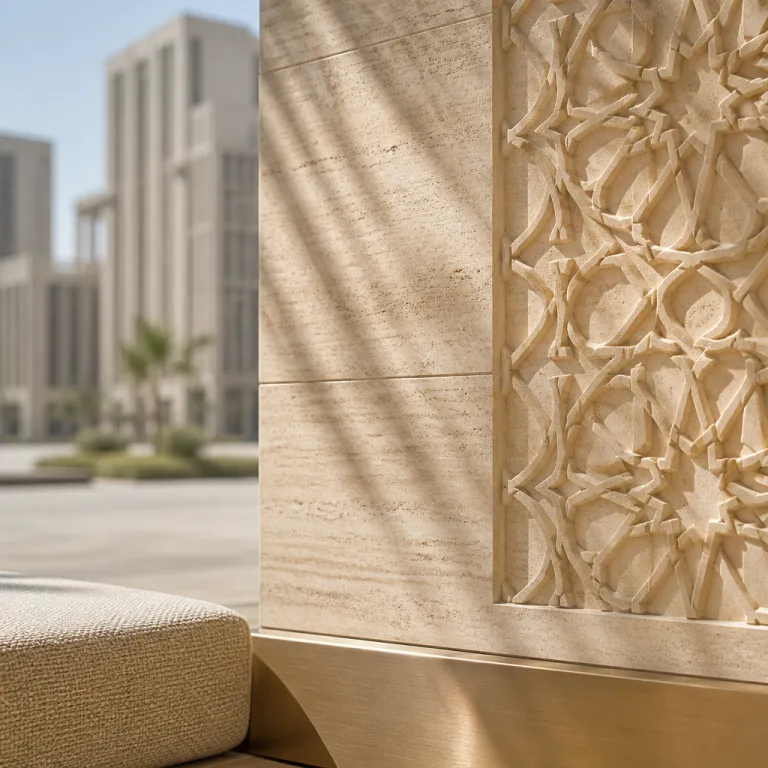
What Egypt’s new administrative capital really is for luxury guests
The new administrative capital rises from the desert about 45 kilometres east of central Cairo, a planned seat of government designed to relieve pressure on historic Cairo, Egypt. Conceived under the Egypt Vision 2030 framework and outlined in official government masterplan documents released from 2015 onwards, it is not an extension of the existing Cairo administrative sprawl but a separate political hub with ministries, parliament buildings, and wide boulevards that feel closer to the Gulf than to the old city center. For luxury travelers comparing hotels in the new capital with a traditional Cairo hotel on the Nile, the contrast between this ordered district and the layered chaos of downtown could not be sharper.
From a distance, the scale is striking: the Iconic Tower, the City of Arts and Culture, and vast residential districts signal a long term bet on a new capital city. The government’s goal is clear in public statements: shift political power and traffic east, while encouraging investors in hotels, resorts, retail, and smart infrastructure to follow. For travelers, that means the first wave of high end properties in the new administrative capital is being built around government complexes rather than around the pyramids or the Nile views that still define most hotels on the Cairo side.
Driving from the Nile to the new administrative capital typically takes around 45 minutes outside peak traffic, while the journey from the new city back to Giza’s pyramids can stretch to 75 minutes or more depending on time of day, according to recent ride hailing estimates in 2024. That distance matters if you want a Cairo, Egypt stay focused on museums, riverfront cafés, and the dense streets around the city center. It matters less if your priority is a quiet room near ministries, with fast express check in, strong business services, and easy access to the international airport road rather than to Khan el Khalili’s markets.
The St. Regis New Capital and early luxury flagships
The first serious answer to the question of whether staying in the new capital is worth your time is The St. Regis New Capital, Cairo. Operated by Marriott International and announced in official press materials in the early 2020s, this St. Regis property anchors a mixed use development with 270 guest rooms, 90 suites, 60 apartments, and 14 villas as of 2024, giving guests a choice of spaces for short stays and longer assignments in the capital. For business leisure travelers used to the original Cairo St. Regis on the Nile, the new outpost offers a quieter base with familiar brand standards and a more controlled urban layout.
Rooms at this St. Regis address are designed for executives who need a functional hotel Cairo base first and a resort second, with generous desks, strong lighting, and a clear separation between work and rest zones. Public facilities include a pool, spa, and several dining venues, so guests can move from meetings to a relaxed evening without leaving the hotel. Before you select dates, it is worth checking current reviews and prices on major booking platforms, because the price per night in this emerging capital city can fluctuate as demand from ministries, consultants, and international delegations rises.
Hilton Worldwide is following with Hilton Cairo New Capital Downtown, part of a broader Hilton Cairo strategy that includes established properties along the Nile and near the international airport. The project has been confirmed in Hilton press releases, with opening timelines subject to adjustment as construction progresses. For travelers who close deals over lunch, this cluster of brands means you can schedule a business meal in a hotel restaurant where negotiations happen in both the old city center and the new capital, then retreat to whichever room suits your schedule. In practice, that often means pairing a stay at a Cairo hotel in Zamalek or Garden City with a night or two at Hilton Cairo New Capital Downtown when your meetings shift east.
Future openings: Indigo, Pullman, Sofitel and the smart city promise
Looking beyond the first wave of new administrative capital hotels, the pipeline reveals how seriously international brands are treating this project. IHG Hotels & Resorts has signed Hotel Indigo Cairo New Administrative Capital with JADEER GROUP, a 140 key property announced in a 2023 IHG press release that will lean into lifestyle design and smart city integration rather than classic corporate formality. Pullman New Capital is also on the way under the Accor umbrella, with a spa, fitness centre, pool, and two dining venues that position it between pure business hotel and relaxed urban resort.
Edge Holding Developments is developing Sofitel OIA Towers, bringing Accor’s French accented service to the skyline and adding another option for guests who prefer a more residential feel in their hotel Cairo stays. These projects sit within a broader plan that includes five luxury hotels and billions of dollars of investment in Cairo, Egypt’s new capital city, using advanced architectural designs and smart infrastructure to differentiate the area from older districts. For travelers, the promise is simple: a cluster of hotels and resorts where every room is wired for high bandwidth meetings, every pool deck feels freshly built, and every lobby is designed around international business rather than tour groups.
There is a seasonal angle too, especially for travelers who care about a serious swimming pool and heat management during peak months. Our guide to booking Cairo’s best pool hotels for July and August shows how quickly established properties in Cairo city fill when temperatures rise, and the new administrative capital could eventually ease that pressure. Once Pullman, Hotel Indigo, and Sofitel open, expect more competition on price per night and more choice of rooms with a view over landscaped avenues instead of the dense city center skyline.
Location trade offs: pyramids, Nile, and the character of Cairo
For all the ambition behind the new administrative capital’s hotel scene, geography still shapes your stay. The new city sits east of Cairo’s administrative boundaries, closer to the desert and the road to the Red Sea than to the Nile’s traditional hotel strip. That means a guest based entirely in the administrative capital will spend more time in cars if they want to experience the layered street life that makes Cairo city unforgettable.
From a luxury traveler’s perspective, the key question is what you want from your Cairo, Egypt trip beyond the meeting room. If your priority is to walk out of your hotel door into a neighbourhood café, then wander to the Egyptian Museum or a riverside bar, a central Cairo hotel in Garden City, Zamalek, or Downtown still wins. If you are in the capital city primarily for government meetings, with limited time for leisure, then staying in the new administrative area can save hours of daily commuting and keep your schedule under control.
Think of it this way: hotels in the new administrative capital are optimised for efficiency, while Nile side hotels in Cairo are optimised for atmosphere and access. A stay in the administrative capital offers wide roads, new facilities, and predictable service, but little of the patina that makes the old city center compelling. To balance both, many guests now split their itinerary, starting with two or three nights in a Cairo hotel near the ministries, then shifting west for a long weekend closer to the river, the markets, and the historic mosques.
Who should actually book in the new capital – and who should not
For business leisure travelers, the most honest answer to whether hotels in the new administrative capital are worth booking is that it depends on your calendar. If your meetings cluster around ministries, embassies, and corporate headquarters in the administrative capital, staying nearby at The St. Regis New Capital, Cairo or the future Hilton Cairo New Capital Downtown will cut stress and car time. In that scenario, a well designed room with fast express check in, reliable service, and quiet corridors is more valuable than a Nile view.
On the other hand, if this is your first visit to Cairo, Egypt and you want to feel the city under your feet, you should base yourself in the older city center and treat the new capital as a day trip if needed. Staying in hotels along the river keeps you close to the international airport road, the Egyptian Museum, and the kind of street life you read about in travel essays. From there, you can still arrange a car to the administrative area for a day of meetings, then return to a swimming pool terrace where the soundtrack is river traffic rather than construction.
Investors see the new administrative capital differently, focusing on long term demand from government, conferences, and international organisations. Travelers should be more pragmatic: choose the area that best matches your agenda, then select dates and compare prices and reviews across both sides of the city. When you are ready to trade conference rooms for alleyways, use our guide to Khan el Khalili after dark to pivot from capital city formality to the kind of Cairo city experience that no planned district can replicate.
FAQ: Egypt’s new administrative capital and luxury hotels
When will Hotel Indigo Cairo New Administrative Capital open ?
Hotel Indigo Cairo New Administrative Capital, operated by IHG Hotels & Resorts in partnership with JADEER GROUP and announced in 2023, is scheduled to open in the early 2030s according to current IHG development updates, adding a 140 key lifestyle property to the new city’s hotel mix. Travelers planning far ahead should check official IHG channels to confirm the exact opening timeline before they select dates. Until then, The St. Regis New Capital, Cairo remains the flagship option among luxury hotels in the new administrative capital.
What is the main purpose of Egypt’s new administrative capital ?
The new administrative capital has been designed to alleviate congestion in Cairo city and modernise national infrastructure by relocating ministries, parliament, and many government agencies, as outlined in government planning documents and public briefings. It also aims to stimulate economic growth by attracting investment in hotels, resorts, offices, and residential projects east of the existing urban core. For travelers, that means a growing cluster of accommodation in an area built primarily for governance and business rather than for sightseeing.
Are there luxury accommodations already operating in the new capital ?
Yes, The St. Regis New Capital, Cairo is already welcoming guests with a full range of rooms, suites, apartments, and villas, along with spa, dining, and pool facilities. Hilton Cairo New Capital Downtown and other brands such as Pullman and Sofitel are in various stages of development, as confirmed in recent hotel group press releases, so the portfolio of upscale hotels in the new administrative capital will expand over time. Guests should always check current reviews, prices, and available room types before booking, as the area is evolving quickly.
How far is the new administrative capital from central Cairo and the pyramids ?
The new administrative capital lies roughly 45 kilometres east of central Cairo, with driving times of about 30 to 60 minutes to the city center in light to moderate traffic and longer during peak hours, based on 2024 mapping and ride hailing data. Reaching the Giza pyramids from the new capital can take well over an hour, so travelers focused on classic Cairo, Egypt sightseeing may prefer to stay in a Cairo hotel closer to the Nile. Guests whose priority is government or corporate meetings in the administrative area will usually accept the distance from the pyramids in exchange for shorter daily commutes.
Who benefits most from staying in the new administrative capital ?
Executives, consultants, and delegates with schedules concentrated around ministries, embassies, and conference venues gain the most from staying in hotels in the new administrative capital. They benefit from reduced travel times, modern facilities, and business focused service, especially when every hour between meetings counts. Leisure travelers and first time visitors, by contrast, often find more character and easier access to Cairo city highlights by staying in established hotels on the Cairo side along the Nile or in the historic city center.