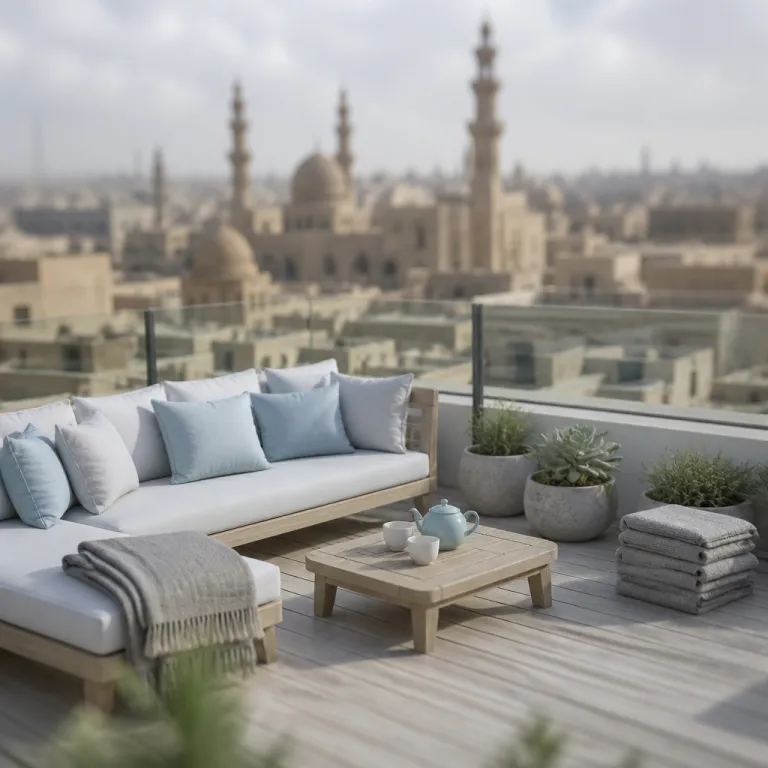
Al Azhar Mosque in Cairo and where luxury travellers should stay
Al Azhar Mosque in Cairo anchors the spiritual and cultural heart of historic Cairo. This Al Azhar landmark was built under the Fatimid caliphate as both a congregational mosque and an Islamic school, and it still shapes how discerning travellers experience Egypt today. When you plan a luxury stay near Al Azhar Mosque, your choice of hotel will define how easily you move between the prayer hall, the surrounding markets, and the wider Egyptian capital.
The complex now known as Al Azhar Mosque was built between 970 and 972 CE, commissioned by the Fatimid general Jawhar al Siqilli under the reign of Caliph Al Mu'izz li Din Allah. Often described as “a historic mosque and university in Cairo, Egypt,” the site has grown into Al Azhar University, a global authority on Islamic law and theology. For travellers, this historic mosque context means that a stay nearby is never just about a room; it is about waking up within walking distance of more than a thousand years of continuous worship and scholarship.
Luxury hotels in Cairo that position themselves around Al Azhar understand that guests want both serenity and immediacy. From a high-floor suite you can look toward historic Cairo while still reaching the main entrance of Al Azhar Mosque in minutes by car or a short walk. When you select a premium property, check how the concierge team handles guided visits to the mosque’s main gate, arranges private transfers to this Fatimid-era sanctuary, and times itineraries around the five daily calls to prayer.
Planning a luxury stay around prayer times and climate
Staying near Al Azhar Mosque Cairo means your days will naturally follow the rhythm of prayer. The mosque’s vast prayer hall can host up to around 20,000 worshippers, according to figures cited in architectural surveys and cultural heritage reports, so planning your movements around peak prayer times helps you avoid crowds while still appreciating the atmosphere. For guests in luxury hotels, a well-briefed concierge can coordinate transfers so you arrive at the mosque’s Bab entrances just before or after the main congregational prayer.
Climate matters as much as culture when choosing where to stay in Cairo. Summer heat in Egypt can be intense, especially around the stone courtyards of Al Azhar and the narrow lanes of historic Cairo. Before booking, read guidance such as detailed advice on planning a luxury stay in Cairo when the heat rises, then confirm that your chosen property offers shaded pools, late check-outs, and flexible spa hours.
Ask your hotel how they help guests experience Islamic Cairo in comfort during hotter months. Some premium properties provide chilled private cars to the main entrance of Al Azhar Mosque, cold towels on return, and curated evening walks when temperatures fall. One concierge in El Gamaliya described how they “schedule mosque visits just after dawn or after sunset so guests feel the devotion of the place without the harshest heat.” Aligning your stay with the daily schedule of Al Azhar University, the nearby school complexes, and the ebb and flow of Egyptian state offices around downtown Cairo will also help you balance sightseeing with rest.
Historic Cairo, city landmarks and hotel locations that work
The area around Al Azhar Mosque Cairo sits at the junction of several key districts in Cairo. To the west lies Khan el Khalili and the wider historic Cairo quarter, while to the south the road climbs toward the Citadel and the Mosque of Muhammad Ali. Choosing a luxury hotel that bridges these landmarks lets you move easily between Al Azhar, the Citadel, and other Islamic monuments from the Mamluk and Ottoman periods.
Many high-end travellers pair a visit to Al Azhar Mosque with time at the Citadel, then return to a hotel that understands this heritage-focused itinerary. For inspiration on neighbourhoods, review guidance on staying in style near the Cairo Citadel, then map those options against driving times to the main entrance of Al Azhar. A well-located property will keep you within a 10 to 20 minute drive of both the Citadel and the mosque’s principal gate, even with Cairo traffic.
When comparing hotels, look at how each one positions itself in relation to the great Islamic monuments of Egypt. Some emphasise views toward the Mosque of Muhammad Ali and the Citadel, while others highlight proximity to the gates of historic Cairo and the markets around this Fatimid-built mosque. Either way, staying near these landmarks means you can explore the historic mosque narrative of the city in short, manageable excursions rather than exhausting day-long outings.
Inside Al Azhar Mosque Cairo: architecture, gates and spiritual etiquette
Understanding the layout of Al Azhar Mosque Cairo will help you choose the right hotel services and guides. The complex has several gates, including the ornate Bab al-Muzayinin and other mosque Bab entrances that frame your first view of the courtyards. From the main entrance you pass through a series of arcades into the central courtyard, then onward into the prayer hall where the marble floor and carved mihrab reflect centuries of Islamic devotion.
Each gate tells a story about the reign that shaped it, from the early Fatimid caliphate to later Mamluk and Ottoman interventions. Patrons such as Abd al-Rahman Katkhuda, often referred to simply as Rahman Katkhuda, sponsored expansions that gave Al Azhar its distinctive mix of styles. When your guide explains how a particular architectural element dates to a specific sultan or caliph, the layers of Egyptian history become much easier to read.
Respectful behaviour is essential inside any mosque in Cairo, and luxury travellers are expected to set the standard. Dress modestly, remove your shoes before entering the prayer hall, and avoid visiting during the main congregational prayer unless you intend to participate. Many high-end hotels now brief guests on etiquette for Islamic spaces, including how to move through the entrance areas, where to pause for photographs, and how to balance quiet observation with the living rhythm of worship.
Al Azhar University, Islamic law and the intellectual life of the city
Al Azhar Mosque in Cairo is inseparable from Al Azhar University, one of the world’s oldest continuously operating centres of Islamic learning. From its earliest days under the Fatimid caliphate, the Al Azhar complex functioned as both a place of prayer and a school where scholars debated theology, philosophy, and Islamic law. Today, the presence of Al Azhar University shapes the surrounding streets, filling cafes and courtyards with students from across Egypt and beyond.
For visitors staying in luxury hotels, this intellectual energy adds another layer to the experience of historic Cairo. You might share a hotel lounge with visiting professors, or encounter a Sheikh from Al Azhar leading a small group through the prayer hall to discuss a particular legal text. The Egyptian state often consults senior figures from Al Azhar on matters of religion and public life, which reinforces the institution’s authority and global reach.
Many travellers combine a guided tour of this Fatimid-built mosque with a visit to nearby schools and libraries associated with Al Azhar University. Ask your concierge to arrange meetings with local experts who can explain how interpretations of Islamic law developed here have influenced communities as far away as Saudi Arabia and Southeast Asia. One Cairo-based scholar notes that “to understand how the modern Muslim world thinks about law and ethics, you must listen to the debates that echo through Al Azhar’s halls.” Engaging with this living tradition turns a simple visit to a historic mosque into a deeper understanding of how Cairo continues to shape the wider Muslim world.
From Fatimid foundations to Mamluk and Ottoman patronage
The story of Al Azhar Mosque Cairo begins with the Fatimid caliphate, but it does not end there. After the initial construction phase under Jawhar al Siqilli and Caliph Al Mu'izz li Din Allah, successive rulers left their marks on the complex. Mamluk sultans, Ottoman governors, and later Egyptian leaders all sponsored renovations that reflected their own reign and priorities.
During the Mamluk era, powerful patrons added new minarets, expanded the prayer hall, and endowed schools that turned Al Azhar into a magnet for scholars. In the Ottoman period, figures such as Abd al-Rahman Katkhuda financed restorations and new mosque Bab entrances, including the richly decorated Bab al-Muzayinin that many visitors use today. Later, the rule of Muhammad Ali and his successors reshaped Cairo’s skyline, yet Al Azhar remained a constant reference point for both religious and political life in Egypt.
Understanding this layered historic mosque narrative can enrich your hotel choices. Some properties highlight views toward the Citadel and the Mosque of Muhammad Ali, inviting you to reflect on how the Egyptian state shifted from one dynasty to another. Others focus on curated tours that trace the line from Fatimid foundations through Mamluk and Ottoman embellishments, often starting at the main entrance of Al Azhar and ending at nearby mausoleums and schools.
Designing a luxury itinerary around Al Azhar and Cairo’s finest hotels
When you design a high-end itinerary around Al Azhar Mosque Cairo, start by mapping your priorities. If your main interest is the spiritual life of Al Azhar and its prayer hall, choose a hotel that offers early morning transfers so you can experience the quiet moments before the first large prayer. If you are equally drawn to the wider Islamic heritage of Cairo, look for properties that package visits to Al Azhar with other sites from the Fatimid caliphate, the Mamluk period, and the Ottoman era.
Many premium travellers appreciate curated experiences that connect religious, intellectual, and political history. A typical day might begin at the main entrance of the mosque, continue through gates such as Bab al-Muzayinin, then move on to the Citadel and the Mosque of Muhammad Ali before returning to a spa suite. For a broader perspective on how to weave these elements into one seamless journey, consult specialised planners who offer luxury Egypt vacation packages crafted around Cairo’s most refined hotels.
Thoughtful hotels in Cairo now integrate Al Azhar University visits, meetings with local scholars, and even private lectures on Islamic law into their premium offerings. Some can arrange conversations with a Sheikh from Al Azhar, while others focus on architectural tours that highlight how each sultan or caliph left a mark on the mosque complex. When these experiences are planned well, your time in Egypt becomes a coherent narrative that links state history, religious life, and the evolving role of Al Azhar in the modern Muslim world.
Key figures and practical statistics for visiting Al Azhar Mosque
- The capacity of the prayer hall and courtyards at Al Azhar Mosque is estimated at around 20,000 worshippers, according to figures commonly cited in academic and heritage publications, which means peak Friday prayer can be extremely busy compared with regular weekdays.
- The complex features five minarets, based on data reported by architectural surveys and cultural heritage records, each reflecting different periods from the Fatimid caliphate through the Mamluk and Ottoman eras, so guided tours often focus on these towers to explain the historic mosque layers.
- Construction of the original mosque structure began in 970 CE and was completed in 972 CE under the reign of the Fatimid caliph Al Mu'izz li Din Allah, making it the first major mosque in Cairo and a foundation for Al Azhar University.
- The site’s coordinates are approximately 30.0459° north and 31.2625° east in the El Gamaliya district of Cairo, placing it firmly within what heritage organisations classify as historic Cairo and making it accessible from most central luxury hotels within a 15 to 30 minute drive.
- Visitor guidelines consistently emphasise modest dress, removal of shoes before entering the prayer hall, and avoiding tourism during main congregational prayer times, which aligns with advice from multiple travel and cultural heritage sources consulted by premium tour operators.
Frequently asked questions about Al Azhar Mosque in Cairo
What is Al Azhar Mosque and why is it important ?
Al Azhar Mosque is a historic mosque and university complex in Cairo, Egypt, founded under the Fatimid caliphate as both a congregational mosque and a centre of Islamic learning. It later evolved into Al Azhar University, a leading authority on Islamic law and theology. For visitors, it represents more than a monument; it is a living institution that still shapes religious and intellectual life across the Muslim world.
When was Al Azhar Mosque built and by whom ?
The original mosque structure of Al Azhar was commissioned by the Fatimid general Jawhar al Siqilli on the orders of the caliph Al Mu'izz li Din Allah. Construction began in 970 CE and was completed in 972 CE, during the early years of Cairo as the Fatimid capital. Over time, Mamluk sultans, Ottoman patrons such as Abd al-Rahman Katkhuda, and later Egyptian rulers all contributed expansions and restorations.
Can tourists visit Al Azhar Mosque and what should they wear ?
Tourists are welcome to visit Al Azhar Mosque, provided they respect local customs and prayer times. Visitors should dress modestly, covering shoulders and knees, and women may be asked to cover their hair before entering the prayer hall. Shoes must be removed at the main entrance or other gates such as Bab al-Muzayinin, and non-Muslim guests are usually encouraged to avoid entering during the main congregational prayer.
Where is Al Azhar Mosque located within Cairo ?
Al Azhar Mosque stands in the El Gamaliya district of Cairo, within the area commonly referred to as historic Cairo. It sits close to Khan el Khalili market and within driving distance of the Citadel and the Mosque of Muhammad Ali. Many luxury hotels in central Cairo can arrange transfers that bring guests to the entrance area in 10 to 30 minutes, depending on traffic.
How does Al Azhar relate to modern Islamic education and law ?
Al Azhar University, which grew out of the teaching tradition of Al Azhar Mosque, remains one of the most influential institutions for Islamic education. Scholars trained here contribute to interpretations of Islamic law that guide communities in Egypt and in countries as far away as Saudi Arabia. The Egyptian state and international organisations often consult senior figures such as the Sheikh of Al Azhar on religious, ethical, and social questions that affect the wider Muslim world.