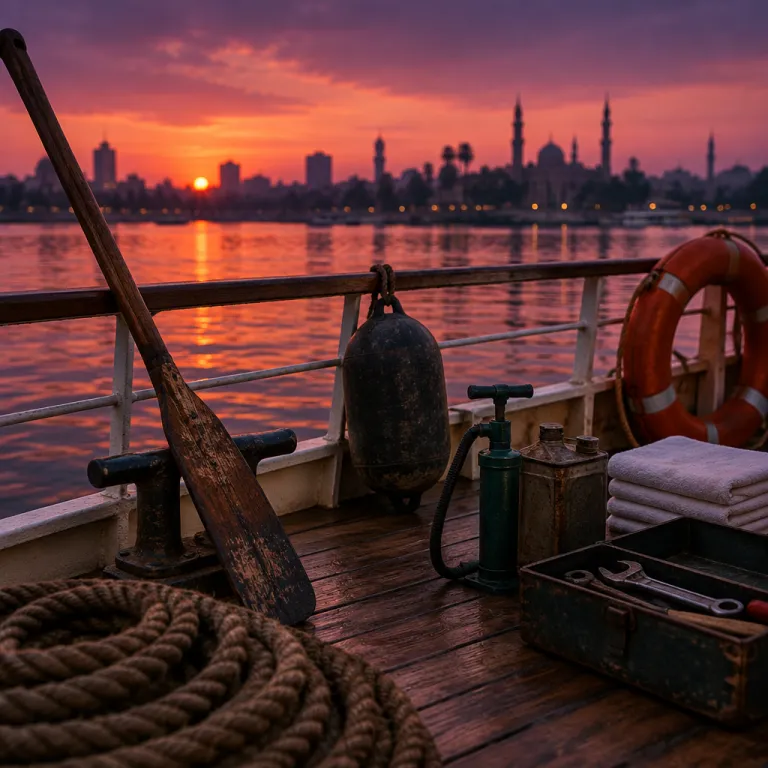
From cairo nile houseboat awama myth to river reality
The phrase cairo nile houseboat awama evokes a floating Cairo that feels half memory, half mirage. Along this stretch of the Nile in central Cairo, wooden houseboats once formed a continuous line of floating homes where writers, musicians and diplomats shared long evenings above the slow current. For a traveler planning a stay, understanding this layered history helps you read the river as more than a backdrop.
Locals call these vessels awamas, a term that folds together floating homes, social salons and a particular Egyptian way of living with the river. For many houseboat residents, the river Nile was not a view from a balcony but a daily companion, with the banks of Cairo only a few steps across a narrow gangplank. When you book a Nile facing suite today, you are tapping into that same desire to be close to the water, even if the original nile houseboats have largely gone.
These awamas were concentrated along the west bank between Zamalek and the Embabeh neighbourhood, where the banks Nile curve gently toward Cairo Embabeh. The area around Elkit Kat bridge became shorthand for a bohemian quarter, its houseboat owners hosting gatherings that shaped modern Egyptian culture. When you hear older residents speak about the cairo nile houseboat awama era, you sense how deeply this floating world is woven into the city’s cultural heritage.
The crackdown on nile houseboats and a changing riverfront
The romance of the cairo nile houseboat awama story sits alongside a harder reality of regulation and removal. Over recent years, Egyptian authorities and the Egyptian government have reshaped who and what is allowed to remain on the river Nile, citing navigation, safety and environmental concerns. For travelers, this means the classic wooden houseboat you might imagine is now more a memory than a bookable option.
Policy shifts were framed as part of broader water irrigation and river management plans overseen by the Ministry Water and other authorities. Officials argued that unlicensed floating homes interfered with water irrigation infrastructure and long term planning for the banks of Cairo. In public statements announced June in different periods, the Egyptian authorities stressed that the west bank should be cleared for promenades, marinas and projects aligned with state priorities.
The impact on houseboat residents was profound, as many were given deadlines and effectively forced leave their homes along the banks Nile. Among the most vocal critics were writers such as Ahdaf Soueif, often written locally as ahdaf soueif, who highlighted the loss of a unique cultural landscape and the erasure of lived history. When you stand on the Corniche opposite the Nile Ritz Carlton, one of the city’s most established elegant Nile addresses for discerning travelers, it is worth remembering that the same view once held a dense community of nile houseboats and awamas.
Writers, residents and the last cairo nile houseboat awama voices
To understand why the cairo nile houseboat awama tradition matters, listen to the people who lived it. Many houseboat owners were long term residents whose homes doubled as informal salons for artists, journalists and academics from across Egypt. Their stories turn the abstract idea of nile houseboats into a textured human world.
Author Ahdaf Soueif, sometimes referenced as ahdaf in local coverage, became an emblematic voice for this community when her own houseboat faced removal. Her relatives, including Zien Elden and Nada Zien (often written as zien elden and nada zien), spoke publicly about the emotional cost of being told to forced leave the floating homes that had anchored their family life for many years. Their experience echoed that of other houseboat residents from Elkit Kat to the edges of the Embabeh neighbourhood and deeper into Cairo Embabeh.
For a solo traveler, these narratives add depth to a visit that might otherwise be limited to hotel lobbies and rooftop bars. When you walk the west bank promenade or cross the bridges near Elkit Kat, you are moving through a corridor of erased culture where awamas once floated in tight formation. Reading these accounts before your trip can make a simple day by the river feel like a quiet act of bearing witness, especially if you then retreat to a calm base in leafy Maadi using a guide such as this detailed look at the Maadi enclave for slow travelers.
How to experience nile life at water level today
The dwindling number of traditional houseboats means the classic cairo nile houseboat awama stay is rarely available in its original form. Yet the desire to sleep close to the river Nile and feel its breeze at the start of each day remains strong among discerning travelers. The question becomes how to capture that intimacy with the nile while respecting current regulations and the realities shaped by the Egyptian government.
Luxury hotels along the Corniche and in central Cairo now act as the most practical heirs to the awamas tradition, at least in terms of proximity to the water. When you choose a low floor, river facing room rather than a high rise panorama, you keep your eye line closer to the banks Nile and the passing feluccas, echoing the perspective of former houseboat residents. A curated guide to downtown Nile facing stays can help you identify properties where the architecture and service ethos still nod to the slower rhythms of floating homes.
Beyond hotel selection, think about how you structure your visit to keep the river central. Spend unhurried hours on the Corniche watching the light shift across Cairo, then take a short private felucca sail that hugs the banks rather than racing upstream. You will not be stepping onto a historic cairo nile houseboat awama, but you will be honoring the same instinct that drew houseboat owners to moor their homes here in the first place.
Balancing nostalgia and practical booking choices
There is a temptation to romanticize every cairo nile houseboat awama as a lost paradise, yet the reality was always more complex. Life on the nile meant constant negotiation with authorities, maintenance demands and the unpredictability of the river itself. As a traveler, you gain more by holding both the poetry and the pragmatism in view.
When you book a premium stay in Cairo today, you are choosing between polished towers, converted mansions and a handful of contemporary floating homes that operate under strict licenses from the Egyptian authorities. Some guests will prefer the reliability, security and full service infrastructure of established riverfront hotels that work closely with the Ministry Water and other regulatory bodies. Others may seek smaller operations that echo the feel of nile houseboats, even if they no longer resemble the wooden awamas that once lined the west bank near Elkit Kat and the Embabeh neighbourhood.
Whichever path you choose, let the story of the cairo nile houseboat awama sharpen your sense of place rather than simply feeding nostalgia. Ask staff about the history of their stretch of the banks Nile, and how water irrigation projects or Corniche redesigns have changed the view over the years. In doing so, you connect your own short visit to a longer arc of Egyptian cultural heritage shaped by residents, planners, authorities and the ever present river Nile.
FAQ
Can I still stay on a traditional cairo nile houseboat awama in Cairo ?
Traditional wooden cairo nile houseboat awama vessels that once lined the banks of the nile in Cairo have mostly been removed under policies enforced by the Egyptian authorities. A few licensed floating homes and modern houseboats exist, but they operate under different rules and do not fully replicate the historic community of awamas. For most travelers, the closest equivalent is a riverfront hotel room that keeps you physically and visually close to the river Nile.
Which Cairo areas are most connected to the old nile houseboats culture ?
The stretch of the west bank around Elkit Kat, the Embabeh neighbourhood and wider Cairo Embabeh was historically the heart of the cairo nile houseboat awama community. Many houseboat residents and houseboat owners lived there for years, creating a dense network of homes and social spaces on the water. Walking these districts today, you will not see long rows of nile houseboats, but you can still sense their imprint in local stories and the layout of the banks Nile.
How did the Egyptian government justify removing many houseboats ?
The Egyptian government and related authorities cited navigation safety, environmental concerns and long term water irrigation planning when they moved to clear many cairo nile houseboat awama structures. Officials linked the policy to broader river management strategies overseen by the Ministry Water and other agencies. Public statements, some announced June in different periods, framed the removal as necessary to modernize the banks of the river Nile and create new public and commercial spaces.
Who are some of the key voices associated with defending the awamas ?
Writer Ahdaf Soueif, often written locally as ahdaf soueif, became one of the most recognized defenders of the cairo nile houseboat awama community. Her family, including relatives such as Zien Elden and Nada Zien, spoke about the personal impact of being told to forced leave their homes on the nile. Their experience mirrored that of many other houseboat residents and houseboat owners along the west bank near Elkit Kat and the Embabeh neighbourhood.
How can I honor this cultural heritage when choosing a luxury stay ?
To honor the cairo nile houseboat awama legacy, prioritize properties that keep you close to the river and engage thoughtfully with local culture. Ask staff about the history of their stretch of the banks Nile, and how Egyptian planning decisions or water irrigation projects have reshaped the area over the years. Then balance that context with your own needs for comfort, choosing between established riverfront hotels and carefully vetted modern floating homes that operate within current Egyptian authorities regulations.