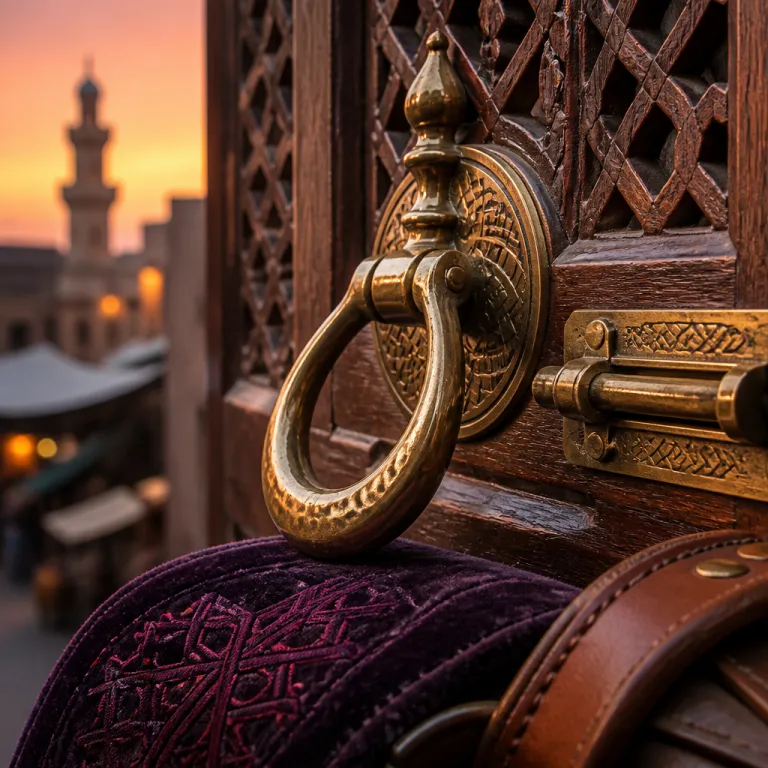
Staying near Khan el Khalili bazaar in Cairo for a refined city break
Staying close to the legendary Khan el Khalili bazaar in Cairo gives your trip an immediate sense of place. In the heart of Islamic Cairo, this historic quarter surrounds you with minarets, stone arches, and the layered sounds of a living market that has traded continuously since the Mamluk era. For travelers booking luxury and premium hotels in Cairo, Egypt, choosing the right address near this bazaar means balancing immersion in history with modern comfort and calm.
The original khan was founded in 1382 by the Mamluk emir Jaharkas al-Khalili as a caravanserai, creating a centralized trading hub in Egypt’s capital that still shapes the city’s commercial life. Today, more than 900 shops spread across roughly 5 hectares form the dense Khan el Khalili market, where gold merchants, spice sellers, and Egyptian cotton dealers share the same labyrinthine street network. These figures are widely cited by Egypt-focused guidebooks and mapping services that document the El Gamaleya district. When you stay nearby, you are only a short walk or a quick ride from this living museum of trade, yet you can retreat to a quiet suite once the market closes.
Premium hotels around Islamic Cairo and downtown allow you to experience the bazaar atmosphere by day, then return to rooftop pools, refined restaurants, and attentive concierges by night. Properties such as the Four Seasons Hotel Cairo at Nile Plaza, Kempinski Nile Hotel Garden City, and Cairo Marriott Hotel & Omar Khayyam Casino often receive recent guest reviews praising their river views, strong security, and helpful staff, with typical nightly rates ranging from mid to high three figures in US dollars depending on season. If you are planning a longer stay in the historic districts around Khan el Khalili, consider hotels with spacious rooms, strong soundproofing, and late check-out, because the market’s energy can be intense yet deeply rewarding.
How close should your luxury hotel be to Khan el Khalili and Islamic Cairo landmarks ?
Choosing how close to sleep to Khan el Khalili bazaar in Cairo is a strategic decision, not just a matter of price. Some travelers want to step out of the lobby and immediately feel the pulse of the market, while others prefer a short taxi ride that separates their suite from the busiest souq alleys. In Cairo, Egypt, the most sophisticated stays often sit slightly away from the tightest streets, giving you both access and breathing space.
Hotels in downtown Cairo or on the edge of Islamic Cairo usually place you within a 10 to 20 minute walk of the main entrances to the old market. From Tahrir Square or Garden City, for example, a taxi ride of around 15 to 25 minutes in normal traffic brings you to the El Gamaleya district, where you can stroll toward Muizz Street, pass historic mosques, and then enter the Khan el Khalili quarter as the bazaar opens into a maze of covered lanes. If skyline views matter to you, consider high-rise properties highlighted in specialist guides to Cairo’s high-floor panoramas, then pair those vistas with daytime visits to the market.
Staying slightly away from the most crowded area also helps if you are sensitive to noise from the street or late-night cafés. You can still visit the khan several times during your stay, timing your trips for early morning or late afternoon when the lanes feel more relaxed. One frequent visitor describes her routine as “coffee at 8 a.m. in a side alley, two focused hours of shopping, then back to the hotel pool before the midday rush,” a pattern that many guests find sustainable for multi-day stays.
Landmarks around Khan el Khalili: mosques, streets, and historic atmosphere
Part of the magic of Khan el Khalili bazaar in Cairo lies in its setting among some of the most important monuments in Islamic Cairo. The market complex sits close to the revered Hussein Mosque and the monumental Al-Azhar Mosque, both central to religious life in Egypt’s capital and visually striking at any hour. When you book a premium hotel nearby, you gain easy access not only to the market but also to these mosque courtyards, where the rhythm of prayer shapes the day.
Muizz Street, often called one of the best preserved historic streets in the city, runs through the heart of Islamic Cairo and connects several madrasas, mausoleums, and caravanserais. Walking this street from north to south, you pass stone façades that predate many European capitals, then emerge near the bazaar where the atmosphere shifts from solemn to exuberant. Many travelers say that combining a quiet morning at Hussein Mosque with an afternoon of shopping Khan el Khalili style in the surrounding souq gives them a complete sense of Egyptian urban life.
Because this area attracts both worshippers and tourists, hotel rates across Cairo can fluctuate with peak seasons and major religious events. Regional tourism authorities and hotel industry reports note that rising visitor numbers have pushed occupancy higher in central districts, which in turn affects pricing near major sites. Planning ahead allows you to secure a room that keeps you close to the Islamic monuments around Khan el Khalili while still offering value, especially if you intend to visit the bazaar more than once during your stay.
What to expect inside Khan el Khalili bazaar: markets, shops, and Egyptian crafts
Stepping into Khan el Khalili bazaar in Cairo, you enter a dense market where every street seems lined with color and sound. The original khan structure has expanded into a full historic marketplace, with more than 900 shops selling everything from hand-hammered brass to delicate perfumes. For many visitors, this is the best place in Egypt to feel how a traditional souq still functions as both a commercial hub and a social meeting point.
As you move deeper into the Cairo bazaar, you will notice distinct sections for gold jewelry, spices, antiques, and textiles, each with its own rhythm and regular clientele. Egyptian cotton stalls display neatly folded piles of sheets and scarves, while nearby shops offer inlaid wooden boxes, leather goods, and hand-painted ceramics. Photographers often linger in the narrower lanes, capturing photos of light filtering through wooden screens and the constant movement of porters, vendors, and families.
Many travelers ask, “What is Khan el-Khalili ?” and the most accurate answer remains the one given in expert guides : “What is Khan el-Khalili? A historic bazaar in Cairo, Egypt.” This historic area has evolved over centuries, yet the core experience of bargaining, sipping coffee in a traditional café, and watching the flow of people has changed surprisingly little. One local shopkeeper likes to tell visitors, “If you get lost, just follow the smell of coffee and spices back to the main lane,” a simple tip that captures both the layout and the atmosphere. When you stay in a nearby luxury hotel, you can dip into this intensity for an hour or an afternoon, then return to cool marble lobbies and quiet rooms once you have had your fill of the souq.
Luxury hotel comforts after a day in the bazaar and Islamic Cairo
After several hours in Khan el Khalili bazaar in Cairo, even seasoned travelers appreciate the contrast of a calm, well-designed hotel. The sensory overload of the market, with its calls to prayer, bargaining voices, and dense street traffic, makes a serene spa or rooftop pool feel especially welcome. When comparing properties in Cairo, Egypt, prioritize those that offer strong air conditioning, effective soundproofing, and attentive service, because these details matter more after a long day in the market.
Many premium hotels near Islamic Cairo provide concierge teams who know the bazaar layout intimately and can suggest the best times to visit for specific purchases. If you are interested in Egyptian cotton, for example, they may recommend certain shops where quality is consistent and prices are fair, then arrange a car to pick you up at a designated street corner. Some properties even offer guided walks through the lanes around Khan el Khalili, pairing you with licensed guides who can explain the history of each mosque and caravanserai you pass.
If Nile views are part of your dream stay in Cairo, you can still enjoy easy access to the old market district by choosing a riverfront property and planning your transfers carefully. Specialist hotel reviews help you identify rooms that combine river scenery with convenient access to Islamic Cairo. From there, a short drive brings you to the Khan el Khalili entrances, where you can spend the day exploring the souq before returning to sunset cocktails overlooking the water.
Practical tips for visiting Khan el Khalili from your hotel
Planning your visit to Khan el Khalili bazaar in Cairo from a luxury hotel is as much about timing as it is about transport. Weekdays usually feel calmer than weekends, and early mornings or late afternoons are often the best moments to experience the market without overwhelming crowds. Many hotels in Cairo, Egypt, will advise you to avoid the hottest midday hours, when the narrow street corridors can feel particularly intense.
Local etiquette in the Cairo bazaar is straightforward once you understand a few key principles that every concierge in Islamic Cairo repeats. Bargaining is customary; negotiate prices, but do so with a smile and a sense of humor, because vendors expect some back and forth in this traditional souq culture. Beware of pickpockets; stay vigilant, especially in the tightest lanes of the market, and keep valuables in a money belt or secure bag rather than loose pockets.
Many travelers appreciate that simply walking through the historic lanes around the khan is effectively a free open-air museum experience, even if they do not buy anything. If you plan to take many photos, ask before photographing people, particularly near Hussein Mosque or Al-Azhar Mosque, where worshippers may prefer privacy. When you return to your hotel after a short walk or ride, take time to rest, hydrate, and review your purchases, because a day of shopping Khan el Khalili style can be surprisingly tiring yet deeply satisfying.
Balancing heritage, safety, and value when booking near Khan el Khalili
Booking a luxury or premium hotel near Khan el Khalili bazaar in Cairo means weighing heritage access against practical concerns such as safety and value. The surrounding Islamic Cairo area is one of the most atmospheric parts of Egypt’s capital, but it is also busy, layered, and sometimes overwhelming for first-time visitors. Choosing a property with experienced staff who understand both the historic context and modern traveler expectations makes a noticeable difference.
Look for hotels whose teams can explain the story of the original khan founded by Emir Jaharkas al-Khalili, then translate that history into tailored itineraries. A good concierge will not only point you toward the best shops in the bazaar but also suggest quiet corners near Hussein Mosque or along Muizz Street where you can pause between purchases. They may recommend specific cafés where you can sit with a mint tea, watch the flow of people in the lanes around Khan el Khalili, and feel the continuity between past and present.
When comparing options, do not focus solely on distance in a straight line from the market. Consider traffic patterns, the ease of reaching key mosque complexes such as Al-Azhar Mosque, and whether the hotel can arrange trusted drivers for late evening returns from the historic quarter. The best stays in the Khan el Khalili surroundings combine thoughtful security, transparent pricing, and genuine enthusiasm for the city’s heritage, allowing you to visit the bazaar with confidence and return each night to a sanctuary that feels both luxurious and grounded in place.
Key figures and travel statistics around Khan el Khalili and Islamic Cairo
- Khan el Khalili was established in 1382 during the Mamluk era, making this Cairo bazaar one of the oldest continuously operating markets in Egypt and a cornerstone of Islamic Cairo’s commercial history (date and founder widely cited in standard references on Mamluk Cairo and academic studies of historic caravanserais).
- The market today includes around 900 shops spread over approximately 5 hectares, so planning your route from your hotel helps you focus on specific streets and product areas rather than wandering aimlessly (figures reported by specialist Egypt travel operators and commonly repeated in guidebooks and tourism brochures).
- The bazaar sits in the El Gamaleya district at roughly 30.0478° N and 31.2625° E, placing it within easy reach of central Cairo hotels by car or taxi in normal traffic conditions (coordinates published in major mapping services and official tourism maps of Cairo).
- Visitor numbers to Cairo have risen significantly in recent seasons, which has contributed to higher occupancy and dynamic pricing in hotels near Islamic Cairo and the Khan el Khalili quarter, especially during peak holidays and major religious events (trend noted by regional tourism authorities and hotel industry reports tracking arrivals and room rates).
FAQ about Khan el Khalili bazaar and nearby hotels
What is Khan el Khalili and why is it important for travelers ?
Khan el Khalili is a historic bazaar in Cairo, Egypt, originally founded as a caravanserai and expanded into a major market over centuries. For travelers, it offers a concentrated experience of Egyptian crafts, traditional souq culture, and Islamic architecture in one compact area. Staying in a nearby hotel allows easy access to the bazaar, surrounding mosques, and the wider Islamic Cairo district.
When was Khan el Khalili established and how has it evolved ?
The bazaar was established in 1382 during the Mamluk era as a central trading hub for merchants traveling through Cairo. Over time, the original khan structure grew into a dense network of shops, cafés, and workshops that now form the Khan el Khalili market. While the goods have diversified, the core functions of trade, social interaction, and religious proximity have remained remarkably consistent.
What can I buy at Khan el Khalili and which streets should I explore ?
Visitors can buy souvenirs, antiques, jewelry, spices, and traditional crafts, with many stalls specializing in Egyptian cotton textiles, brassware, and inlaid wood. The lanes branching from the main bazaar entrances lead toward Muizz Street and smaller alleys where specialist shops cluster by product type. Asking your hotel concierge for a simple map of the market helps you focus on the sections that match your interests.
Is bargaining common at Khan el Khalili and how should I handle prices ?
Yes, haggling over prices is customary in this traditional souq, and vendors expect some negotiation on most non fixed price items. Start by offering a lower amount than the initial quote, then move gradually toward a figure that feels fair for both sides. Keeping the exchange friendly and respectful usually leads to better deals and a more enjoyable experience in the Cairo market lanes.
Are there cafés and places to rest near the bazaar and mosques ?
There are several traditional coffeehouses inside and around the Khan el Khalili bazaar, many of them with outdoor seating that faces the street. These spots are ideal for a short break between visits to Hussein Mosque, Al-Azhar Mosque, and the surrounding shops, especially during the hottest hours. If you are staying in a nearby luxury hotel, you can alternate between these local cafés and your property’s quieter lounges to pace your day comfortably.